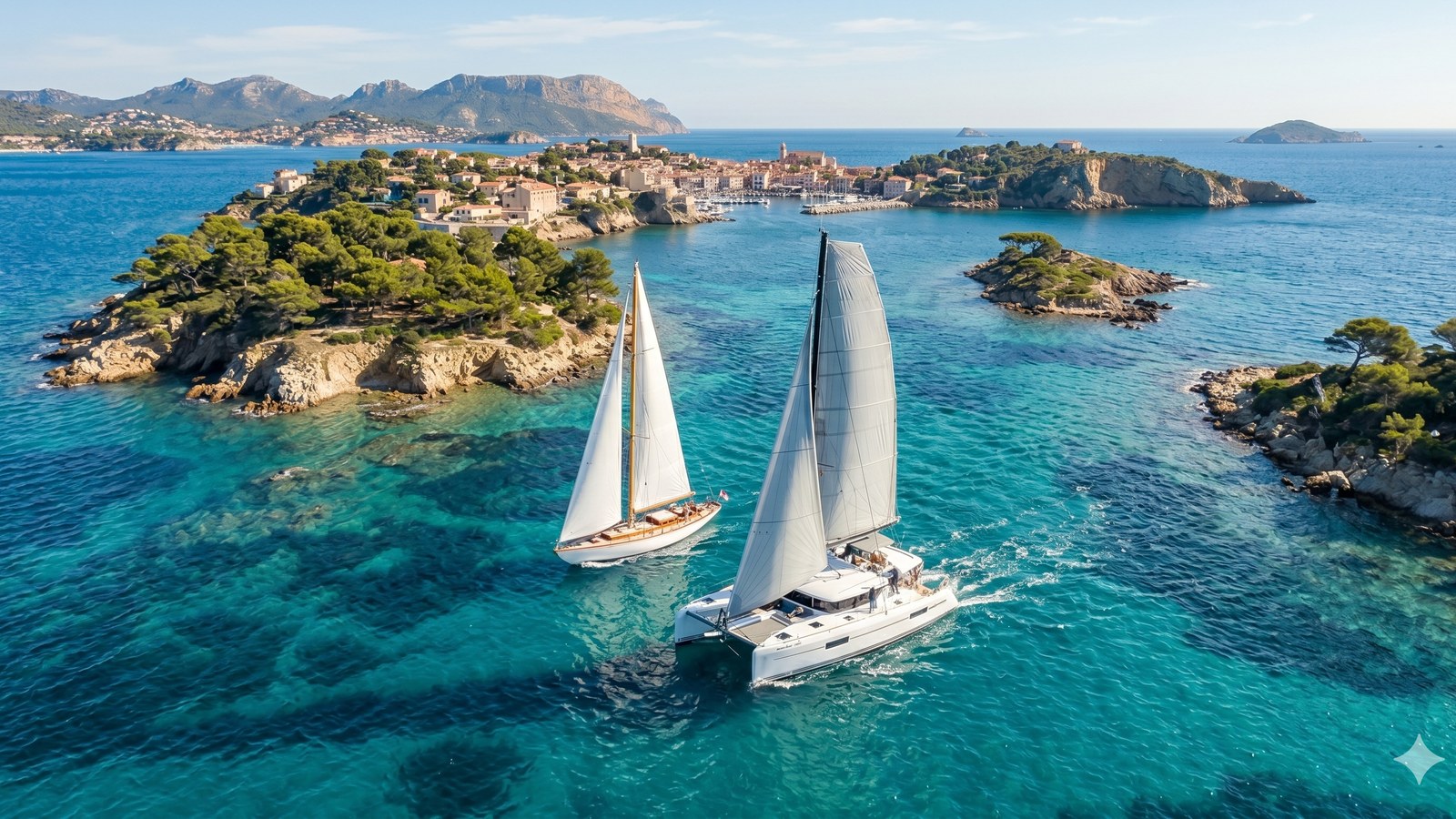
Expedition Yacht Insurance Asia
Remote-area yacht cover for Asia's last frontiers — Raja Ampat, Mergui, Andaman Islands, and beyond the charter routes
Asia's most extraordinary sailing destinations are not the Phuket marinas or the Bali anchorages — they are the places beyond: Raja Ampat's 600 coral species, the untouched beaches of Myanmar's Mergui Archipelago, the restricted islands of India's Andaman chain, and the rarely visited outer atolls of the Maldives. Expedition sailing in these remote locations demands insurance structured for the reality of what happens when things go wrong far from assistance.
Why Remote-Area Sailing Changes Your Insurance Needs
The cost of an emergency in a remote location is not proportional to the cost of the same emergency in a marina. A grounding at Benoa Harbour in Bali involves calling a local salvage firm 20 minutes away. A grounding on a reef in Raja Ampat involves dispatching a commercial salvage vessel from Singapore or Darwin — a journey of several days — with salvage costs of USD 150,000–400,000+ before the vessel is even moved. A medical emergency in Phuket means 10 minutes to the nearest hospital. A medical emergency in the Mergui Archipelago means a dinghy trip to a Myanmar coast guard post, a transfer to Ranong by fishing boat, and then a road transfer to Phuket for serious emergencies. These logistics realities must be reflected in the insurance coverage — salvage sublimits, medical evacuation coverage, and emergency contact systems must all be designed for the specific remote areas you are sailing in.
Raja Ampat: The World's Most Biodiverse Remote Sailing Ground
Raja Ampat in Indonesian West Papua is the benchmark for remote expedition sailing in Asia. The Marine Park Entry Card and vessel permit are required from the Waisai office on arrival. The CAIT must explicitly cover West Papua. Reef grounding risk is non-trivial — the reef systems are dense and not completely charted, and even careful navigation cannot eliminate the risk entirely. Hull cover must include reef grounding in Indonesian waters. Medical evacuation from Raja Ampat requires: helicopter or light aircraft from the anchorage to Sorong; commercial aircraft from Sorong to Makassar (the nearest major hospital) or Singapore; aeromedical configuration if the patient cannot travel commercially. A severe trauma requiring Singapore evacuation from a remote Raja Ampat anchorage can cost USD 60,000–100,000 in evacuation expenses alone, before medical treatment. Medical evacuation insurance explicitly naming Indonesia and West Papua is essential.
Mergui Archipelago: The Myanmar Dimension
Myanmar's Mergui Archipelago is Southeast Asia's last genuinely remote cruising ground — 800 uninhabited islands, Moken sea nomad communities, and virtually no other sailing yachts. Access requires an MTT (Myanmar Tours and Travels) permit with a mandatory government guide aboard at all times. Insurance for Myanmar waters presents specific challenges: several international policies exclude Myanmar coverage due to political sanctions considerations following the 2021 military coup. Verify explicitly that Myanmar is covered by your policy — not just 'Southeast Asia' or 'Indochina'. Salvage from the Mergui Archipelago to the nearest boatyard (Ranong, Thailand) requires a long tow through complex coastal passages. Medical emergencies require evacuation to Phuket (6–8 hours by sea from southern Mergui, or helicopter where available). Sanctions compliance is a genuine concern for some insurers — discuss your Myanmar sailing plans with your broker before committing to the passage.
Expedition Vessel Equipment and Underwriter Requirements
Underwriters writing remote-area expedition yacht cover assess the vessel's readiness for self-sufficiency with particular care. Equipment requirements typically include: Class 1 Category A life raft, serviced within 12 months, with appropriate capacity for all persons aboard; EPIRB (406 MHz, registered, within service date) and PLB for each crew member; SSB radio or satellite communication (Iridium, Inmarsat, or equivalent); AIS transponder (Class B minimum); drogues and storm sails for heavy weather; a medical kit appropriate for remote care with trained crew to use it; and a satellite phone with insurer emergency contact details loaded. Navigation equipment must include a functioning chartplotter with current electronic charts for the planned sailing area, a backup handheld GPS, and paper charts for remote areas where electronic chart accuracy is limited. Crew medical training — at minimum WFR (Wilderness First Responder) level, ideally STCW Medical First Aid — significantly improves both safety and underwriter confidence in the risk.
Ready to Compare Quotes?
Our specialist marine insurance advisors access all major Asian markets — Lloyd's, Pantaenius, Chubb, and regional insurers — and find the right policy for your vessel and route.
Frequently Asked Questions
Does standard yacht insurance cover Raja Ampat?
Only if Indonesian territorial waters including West Papua (Papua Barat) are explicitly named in the geographic schedule. Many standard Southeast Asia policies cover Bali and Java but have sublimits or exclusions for remote eastern Indonesian passages. Confirm Raja Ampat is covered explicitly.
Can I get medical evacuation insurance for Myanmar?
Medical evacuation cover for Myanmar is available through specialist providers (ISOS, AEA International, BUPA International, and others) but requires specific Myanmar inclusion. Some general medical evacuation policies exclude Myanmar due to sanctions or limited ground operator capacity. Confirm Myanmar coverage with your medical evacuation insurer before the passage.
What salvage sublimit do I need for remote Indonesian sailing?
A minimum of USD 200,000 is recommended for Bali–Komodo–Flores sailing. For Raja Ampat and the Banda Sea, USD 300,000–500,000 is more appropriate given the remote location and the salvage vessel mobilisation costs from the nearest base. Review your policy sublimit against the actual cost of remote-area salvage, not the cost of harbour salvage.
Is expedition sailing cover more expensive than standard policies?
Yes. Remote area navigation attracts loadings of 15%–40% over standard recreational rates, reflecting the genuinely higher cost of emergencies in remote locations. The loading is rational — a grounding in Benoa Harbour costs a fraction of the same grounding in Raja Ampat. The additional premium is a genuine cost of sailing in genuinely remote places.
Do I need crew medical training to get expedition sailing insurance?
Not always mandatory, but strongly recommended and rewarded by some underwriters. Skippers with offshore medical training (STCW Medical First Aid, WFR, or equivalent) may attract lower loadings from underwriters writing remote-area cover. More importantly, having crew with medical training is the single most important safety measure for remote expedition sailing.
Related Guides & Resources
Get a Quote
Compare specialist marine insurance quotes for your vessel
Reviewed by Marine Insurance Specialists
Content reviewed by specialist marine insurance advisors with first-hand knowledge of Asian sailing and insurance requirements.