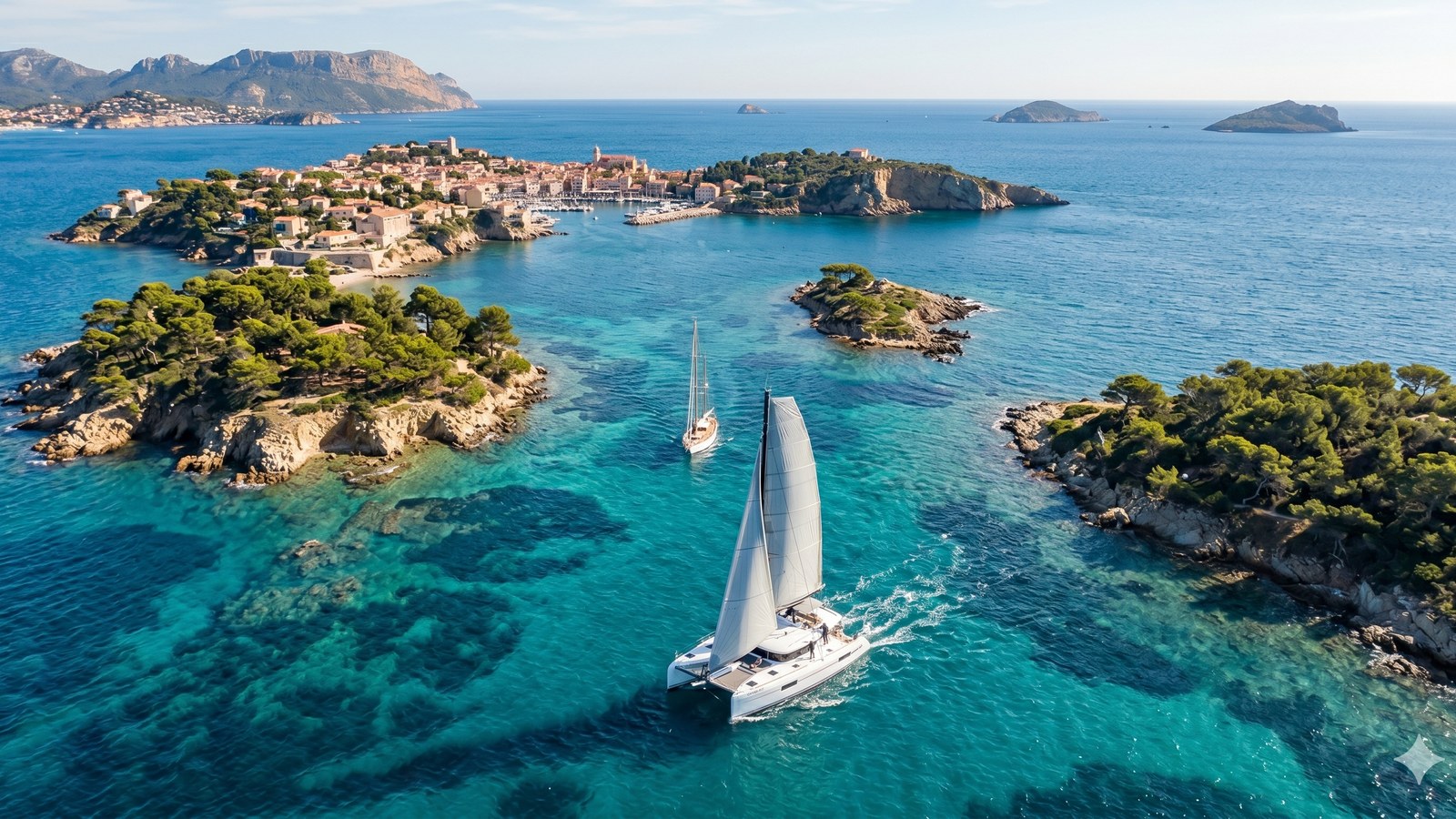
Catamaran Insurance Asia
Sailing and power catamaran insurance for Asian waters — charter, cruising, and liveaboard multihull cover
Catamarans have transformed the Asian sailing scene. From the liveaboard family sailing from Phuket to the Maldives to the commercial bareboat fleet operating out of Ao Chalong, multihulls now account for a significant proportion of all yachts in Southeast Asian waters. Their insurance requirements differ meaningfully from monohulls — and understanding those differences is essential for any catamaran owner sailing in Asia.
How Catamaran Insurance Differs from Monohull Insurance
Underwriters assess catamarans differently from monohulls for several reasons. First, the beam: modern cruising catamarans are typically 8–10m wide, compared to 4–5m for an equivalent monohull. This creates greater marina collision exposure, as a catamaran manoeuvring in a tight marina is more likely to make contact with other vessels or pontoons. Second, repair costs: twin-hull construction means that any significant damage involves at least the hull, beam, and bridgedeck structures — repair costs for major catamaran damage typically run higher than equivalent monohull repairs. Third, replacement cost: a comparable-accommodation catamaran costs significantly more than a monohull, so the insured value is higher. The result is that catamaran insurance rates are typically 10%–30% higher than monohull rates for equivalent hull values.
Charter Catamarans: The Dominant Charter Platform in Asia
Catamarans are the preferred charter vessel across Southeast Asia and the Maldives. The combination of shallow draft, spacious deck space, and stability makes them ideal for charter guests. In Thailand, Lagoon, Leopard, and Fountaine Pajot models dominate the bareboat and skippered charter market from Phuket. In the Maldives, catamarans are the primary safari boat type. In the Philippines, charter catamarans carry day guests around Palawan and the Visayas. Charter catamarans require commercial marine insurance, not recreational policies. The commercial policy must cover passenger liability (mandatory under Thai and Philippine commercial vessel regulations), commercial hull, and Loss of Hire for vessels whose revenue depends on daily charter rates. Charter catamaran premiums are significantly higher than recreational rates.
Named Storm Cover for Catamarans
Catamarans are particularly vulnerable to Named Storm damage for one critical reason: their wide beam and high freeboard make them highly susceptible to beam-on wind loading. A catamaran on a mooring or at anchor in a tropical storm will experience enormous lateral forces — forces that can overwhelm mooring systems, snap anchor chains, or drive the vessel onto a reef. Catamaran owners in Asia are advised to treat Named Storm cover as absolutely essential. The endorsement cost is higher for catamarans than monohulls (reflecting the higher claim risk), but the cost of being uninsured in a direct typhoon hit to an unprotected catamaran anchorage is potentially total loss of a USD 300,000–600,000+ vessel.
Maldives: The Ideal Catamaran Destination
The Maldives is perhaps the ideal catamaran destination in Asia. The shallow-draft nature of modern cruising cats — typically 1.2–1.5m — is perfectly matched to the inner-atoll passages, sandbank anchorages, and reef channels of the Maldivian atolls. Monohulls with 2m+ draft struggle in many Maldivian anchorages that catamarans can access freely. The Maldives government requires cruising permit holders to carry third-party liability insurance (minimum USD 500,000). Catamaran-specific underwriting for Maldives includes the coral grounding risk — even careful navigation cannot completely eliminate reef contact in atoll waters — and the remoteness requiring comprehensive medical evacuation cover.
Ready to Compare Quotes?
Our specialist marine insurance advisors access all major Asian markets — Lloyd's, Pantaenius, Chubb, and regional insurers — and find the right policy for your vessel and route.
Frequently Asked Questions
Are catamarans more expensive to insure than monohulls in Asia?
Yes, typically 10%–30% higher rates due to wider beam (higher marina collision risk), twin hull repair costs, and higher replacement values. Charter catamarans attract further commercial loading. The rate difference is justified by the underwriting data — catamaran claims frequency and severity are higher than monohull equivalents.
What beam width limits do Asian marinas impose on catamarans?
Most Phuket marinas can accommodate catamarans up to about 10m beam, though wider vessels may have limited berth options. Royal Phuket Marina and Yacht Haven Grand Marina are more accommodating than smaller facilities. Rebak Island Marina in Langkawi handles large multihulls regularly. Always confirm maximum beam with your marina before arrival.
Do I need a separate policy for my charter catamaran in Thailand?
Yes. Standard recreational catamaran policies void coverage when paying guests are carried. You need a commercial marine policy covering passenger liability (required by Thai law), commercial hull, and Loss of Hire. Contact a specialist marine broker for commercial catamaran insurance.
Can I get insurance for a catamaran doing the ARC Pacific or world circuit through Asia?
Yes. Lloyd's-backed blue-water policies can be structured to cover world-circumnavigation routes including the Pacific, Indian Ocean, and Asian passages. The navigation area must include all planned sailing regions. Named Storm exclusion management for passage timing is important — most blue-water policies have worldwide coverage but Named Storm conditions apply region by region.
What is the best catamaran insurance for the Maldives?
International blue-water policies from Lloyd's markets, Pantaenius, or Chubb are the most appropriate for Maldives cruising, as they provide the liability cover levels required by the Maldives Ministry of Tourism (USD 500,000 minimum), cover the remote atoll environment with medical evacuation, and can be structured to include the full Southeast Asia passage route.
Related Guides & Resources
Get a Quote
Compare specialist marine insurance quotes for your vessel
Reviewed by Marine Insurance Specialists
Content reviewed by specialist marine insurance advisors with first-hand knowledge of Asian sailing and insurance requirements.