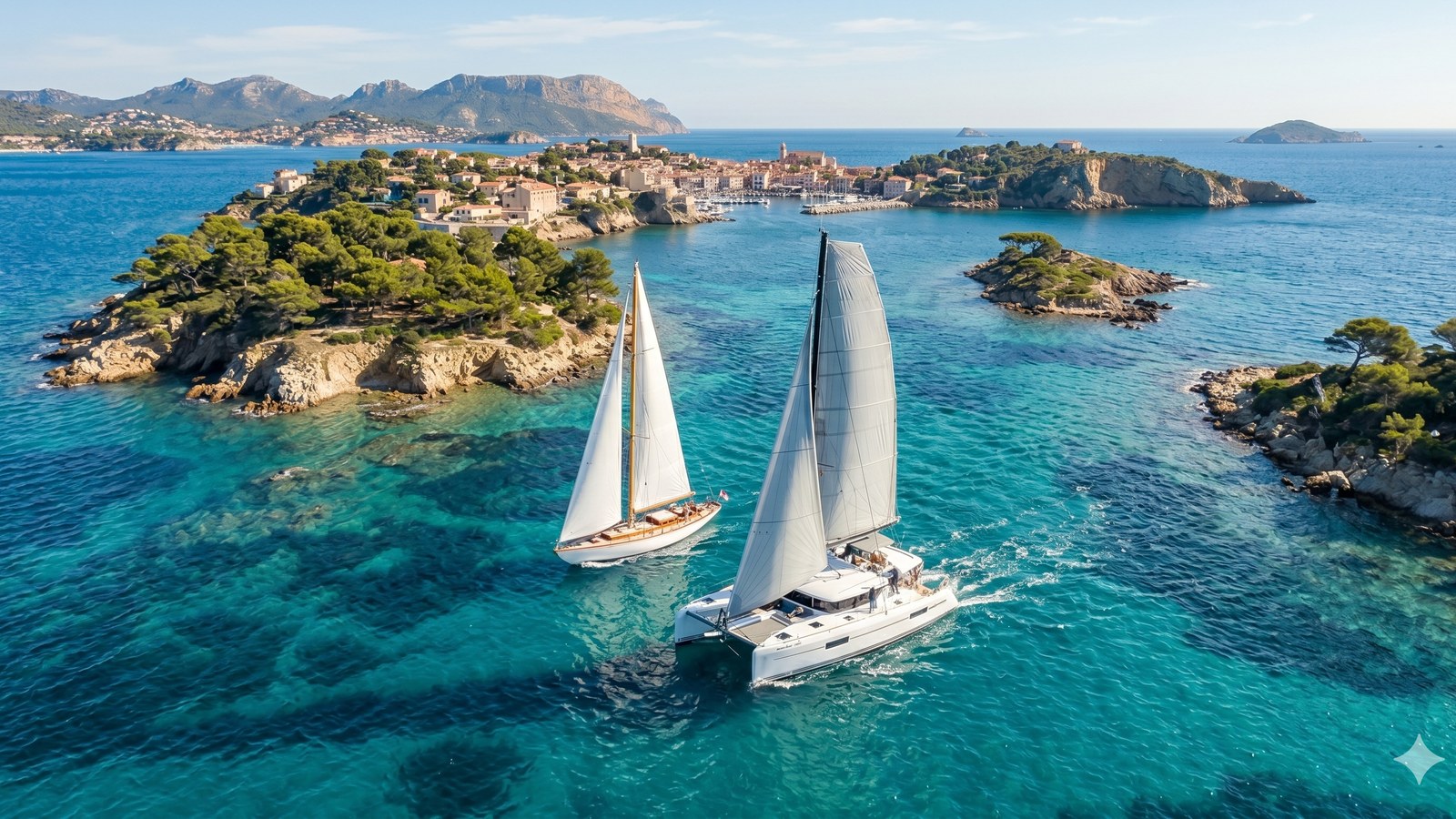
Boat Insurance Indonesia
Indonesian yacht insurance — CAIT documentation, remote-area cover, and policies for Bali through to Raja Ampat
Indonesia spans over 17,000 islands and represents one of the world's most spectacular sailing environments — from the rice terraces visible from Bali's marinas to the otherworldly seascapes of Raja Ampat. Getting boat insurance right for Indonesian waters requires understanding the country's unique permit system, the geographic scale of the archipelago, and the remote-area risks that make comprehensive cover essential.
CAIT: Why Insurance Documentation is Critical
Indonesia's Clearance Approval for Indonesian Territory — universally known as the CAIT — is the entry permit required for all foreign vessels wishing to cruise Indonesian waters. The CAIT process involves registering your vessel with Indonesian immigration, customs (Bea Cukai), and the harbour master at a designated port of entry. Insurance documentation is a required component of the CAIT dossier. Indonesian Marine Police at ports including Batam, Bintan, Bali (Benoa Harbour), Lombok, and Sorong will ask to see your insurance certificate when the CAIT is processed. Lloyd's-backed insurance certificates are the most widely recognised and accepted at Indonesian ports. Policies issued by lesser-known insurers may face questions from port officials. Your insurance broker should be able to provide a specific CAIT-formatted certificate if required by the port authority.
Insurance Requirements in Bali (Benoa Harbour)
Bali is the primary international yacht port in Indonesia and the main point of entry for vessels arriving from Australia, Thailand, Malaysia, and Singapore. Benoa Harbour in Bali processes the majority of Indonesia-bound yacht clearances. Marina facilities in Bali are not as developed as those in Phuket — Bali International Marina is the main facility — and marina insurance requirements are generally less formalised than in Thai marinas. However, CAIT requirements at Benoa still require insurance documentation. For vessels making the classic passage from Darwin to Bali as part of the Indonesia Cruising Permit (ICP) rally, insurance is a listed requirement. Vessels planning the passage from Bali to Komodo and Flores should confirm their policy covers all Indonesian waters, including the Banda Sea and Flores Sea which are technically within the CAIT area.
Remote Indonesian Waters: Raja Ampat and the Banda Sea
Raja Ampat in West Papua is the jewel of Indonesian sailing — the world's most biodiverse marine environment, with near-perfect sailing conditions and extraordinary diving. Insurance for Raja Ampat requires specific attention. The nearest significant medical facility to the main sailing areas is in Sorong city, and international-standard medical care requires evacuation to Makassar or Bali — potentially 6–12 hours away by emergency aircraft. This makes comprehensive medical evacuation cover essential, not optional. Salvage cover must also be comprehensive: the cost of dispatching a commercial salvage vessel to Raja Ampat from Java or Singapore is enormous. Underwriters assessing Raja Ampat insurance will examine the skipper's offshore and remote-area experience, the vessel's safety and communication equipment, and the medical preparedness of the crew. Grounding risk in Raja Ampat is significant — the reef systems are not perfectly charted — and hull policies must include reef grounding cover.
Insurance for Komodo and the Flores Sea
The Komodo archipelago — home to the world's largest lizards and extraordinary diving at Komodo National Park — is one of the most popular yacht destinations in Indonesia. Labuan Bajo on Flores is the gateway town, with improving marina facilities and growing infrastructure for visiting yachts. The Komodo-Flores passage from Bali involves some of the strongest tidal currents in the world — Lombok Strait and the passages through the Komodo archipelago require careful tide planning. Insurance for vessels in this area should include tidal incident cover (grounding and collision in tidal rips are not uncommon), comprehensive hull cover for the volcanic and reef seabed environment, and appropriate liability cover. Marine Park entry fees are required for Komodo National Park and should be obtained before anchoring within the park boundaries.
Ready to Compare Quotes?
Our specialist marine insurance advisors access all major Asian markets — Lloyd's, Pantaenius, Chubb, and regional insurers — and find the right policy for your vessel and route.
Frequently Asked Questions
What insurance do I need for the CAIT permit?
Indonesian authorities at CAIT ports require evidence of third-party liability insurance for your vessel. Hull insurance is not a CAIT requirement per se, but having a comprehensive policy covering both hull and liability is standard practice. Lloyd's-backed certificates are the most widely accepted format. Your broker can provide a certificate letter confirming coverage if the standard policy schedule does not satisfy the port officer.
Does my Thai boat insurance cover Indonesian waters?
Thai-market policies typically do not cover Indonesian waters. You need either an international blue-water policy covering the full Southeast Asian region, or a geographic extension to your existing policy that explicitly adds Indonesian territorial waters to the navigation area.
Do I need special insurance for the Coral Triangle?
The Coral Triangle — encompassing Indonesia, Philippines, and Papua New Guinea — doesn't carry its own insurance category, but vessels cruising these remote waters need comprehensive coverage: medical evacuation, salvage, and hull cover appropriate for reef-rich environments. Standard policies cover the area if the navigation limits include these waters.
What happens if I run aground in Raja Ampat?
A reef grounding in Raja Ampat is a serious situation. Comprehensive hull insurance with salvage cover would respond to the costs of vessel extraction and repair. If the vessel is carrying crew, medical evacuation cover would activate for any injuries. The salvage cost from a remote Raja Ampat reef can be extremely high — USD 50,000–200,000+ — making comprehensive salvage cover essential.
Can I get insurance for a vessel based in Bali long-term?
Yes. Vessels based long-term in Indonesian waters need a policy that covers Indonesia as the primary sailing area. International marine markets can structure policies for Indonesia-based vessels. Long-term Indonesian residency and vessel permits have their own regulatory framework — your insurer and broker should understand the relationship between the insurance policy and your Indonesian vessel permit status.
Related Guides & Resources
Get a Quote
Compare specialist marine insurance quotes for your vessel
Reviewed by Marine Insurance Specialists
Content reviewed by specialist marine insurance advisors with first-hand knowledge of Asian sailing and insurance requirements.