Boat Insurance Thailand
Thai yacht and vessel insurance — marina requirements, typhoon cover, and blue-water policies for every vessel type
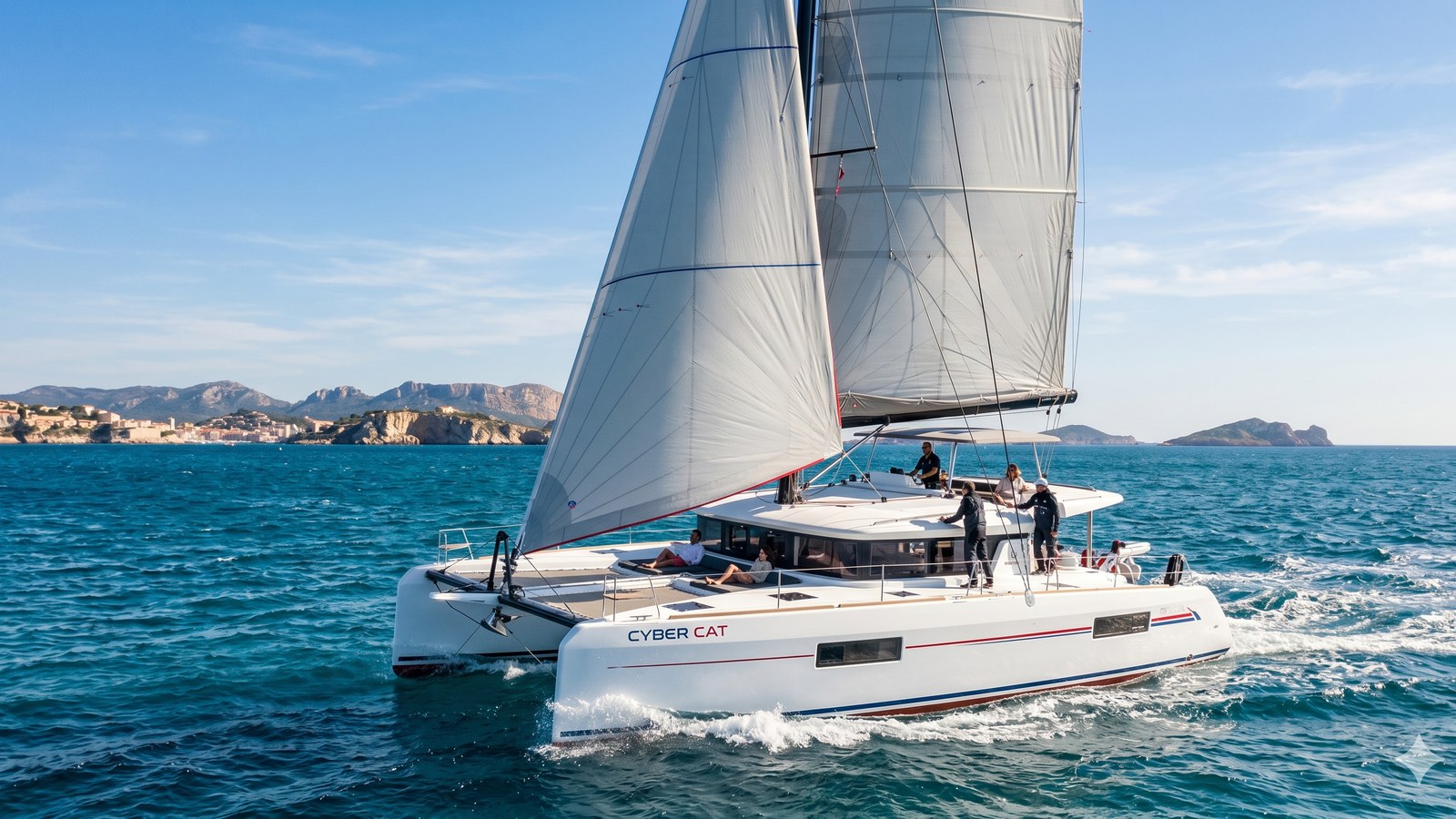
Thailand is Southeast Asia's sailing capital, and every vessel on Thai waters — from a 30-foot sailing sloop to a 50-metre superyacht — needs appropriate insurance. Whether you're berthed at Royal Phuket Marina, anchoring in Phang Nga Bay, or making the offshore passage south to Malaysia and Indonesia, this guide covers everything you need to know about boat insurance in Thailand.
Is Boat Insurance Compulsory in Thailand?
Thai law under the Vessel Act (พ.ร.บ. เรือไทย) does not explicitly mandate insurance for private recreational yachts cruising Thai waters. However, every major marina in Thailand — Royal Phuket Marina, Yacht Haven Grand Marina, Ao Po Grand Marina, Port Takola, Ko Samui marinas — requires evidence of third-party liability insurance as a condition of berthing. The minimum typically requested is USD 100,000 third-party liability, though larger marinas often require USD 300,000 or more. Hull insurance is also typically required for vessels on annual berth contracts. In practice, sailing in Thailand without insurance is impossible if you plan to use any established marina or marina anchorage. For commercial vessels — charter boats, day-trip operators, dive boats carrying passengers — the Vessel Act specifically requires compulsory passenger insurance for any commercial operation carrying tourists.
Types of Boat Insurance Available in Thailand
Several insurance markets serve Thai yacht owners. Locally, QBE Insurance (Thailand) is available through Asia Marine in Phuket — one of the longest-established marine brokers on the island. AIG Thailand offers marine hull and liability products for pleasure craft. Chubb operates a strong marine division in Thailand with capacity for vessels up to superyacht size. For vessels also sailing beyond Thai waters — into Malaysia, Indonesia, Maldives, or the Philippines — international blue-water policies from Lloyd's of London syndicates, Pantaenius, and other international markets are the preferred solution. These cover the full route rather than requiring separate policies in each jurisdiction. Lambert Brothers Insurance Broker, based in Phuket, is one of the longest-established local marine brokers and can arrange cover from both local and international markets.
Named Storm Cover: The Most Important Decision
Thailand sits within the Western Pacific typhoon system, and while the Andaman Sea (Phuket, Krabi, Koh Lanta) is somewhat sheltered compared to the Gulf of Thailand and South China Sea, typhoon and storm damage to yachts is a real and recurring risk. Most standard boat insurance policies exclude Named Storm damage — storms given official names by meteorological authorities. Named Storm exclusions mean your policy will not pay for damage caused by a typhoon unless you have specifically purchased Named Storm cover as an endorsement. The endorsement typically requires the vessel to be in a recognised safe berth, hauled out of the water, or outside the typhoon belt during storm season. For Phuket (Andaman Sea), the main risk season is May to October. For Gulf of Thailand locations (Ko Samui, Koh Tao, Ko Phangan), the risk window is November to January. Confirm the Named Storm position on your policy before your vessel arrives in Thailand.
Boat Insurance Costs in Thailand
Thai and international yacht insurance premiums depend on the vessel value, type, and the geographic coverage required. For a recreational sailing yacht valued at USD 100,000–200,000, expect to pay USD 1,500–4,000 per year for a comprehensive Thailand-focused policy including hull, third-party liability, and Named Storm cover. Motor yachts typically cost more — 1.5%–2.5% of hull value — due to higher machinery and fire risk. Charter and commercial vessels attract further loading for passenger liability. International blue-water policies covering Thailand plus Indonesia and beyond cost more than Thailand-only cover due to the wider navigation area and additional permit requirements. Request quotes from multiple advisors to compare — pricing varies significantly between markets.
Blue-Water Policies: Covering Thailand to Indonesia and Beyond
Many yacht owners in Thailand are on extended cruises or long passages, not permanently based in Thai waters. The classic route takes vessels from Phuket south through the Malacca Strait and Malaysia to Indonesia — Bali, Komodo, Raja Ampat — then potentially onward to Darwin, Australia, or east to the Philippines. This route crosses multiple jurisdictions and insurance territories. A blue-water policy from a Lloyd's market or international insurer covers the full route on a single policy, eliminating the need to arrange separate insurance in each country. Indonesian CAIT permits require insurance documentation; Maldives cruising permits require evidence of liability cover; Malaysian marinas require the same as Thai marinas. A single international policy addressing all these requirements is vastly simpler than country-by-country cover.
Ready to Compare Quotes?
Our specialist marine insurance advisors access all major Asian markets — Lloyd's, Pantaenius, Chubb, and regional insurers — and find the right policy for your vessel and route.
Frequently Asked Questions
What is the minimum insurance required to berth in Phuket marinas?
Most Phuket marinas require third-party liability cover of at least USD 100,000, and hull insurance for vessels on annual berths. Yacht Haven Grand Marina and Royal Phuket Marina may require higher liability limits. Always confirm requirements with your specific marina before arrival.
Can I get day cover or short-term boat insurance in Thailand?
Short-term policies can be arranged for vessels visiting Thailand temporarily, though most advisors recommend annual policies due to the ongoing nature of marina requirements. Contact a specialist marine insurance advisor for short-term options if you are visiting Thai waters for under 3 months.
Does boat insurance in Thailand cover damage from storms and typhoons?
Only if your policy includes Named Storm cover as a specific endorsement. Standard hull policies exclude Named Storm damage. Confirm whether Named Storm is included on your policy, and review the storage/haul-out requirements that apply during storm season.
Do I need separate insurance for sailing into Malaysian or Indonesian waters?
Not if you have a blue-water international policy that explicitly covers those waters. If your policy is restricted to Thai waters, you will need either an extension or a separate policy before entering Malaysian or Indonesian territorial waters. Indonesian CAIT documentation requires evidence of insurance.
Is charter boat insurance different from recreational boat insurance in Thailand?
Yes, significantly. Commercial charter operations require a commercial marine policy with passenger liability cover. Thai law requires compulsory passenger insurance for any vessel carrying paying tourists. Standard recreational policies void coverage immediately when paying guests are carried.
Related Guides & Resources
Get a Quote
Compare specialist marine insurance quotes for your vessel
Reviewed by Marine Insurance Specialists
Content reviewed by specialist marine insurance advisors with first-hand knowledge of Asian sailing and insurance requirements.