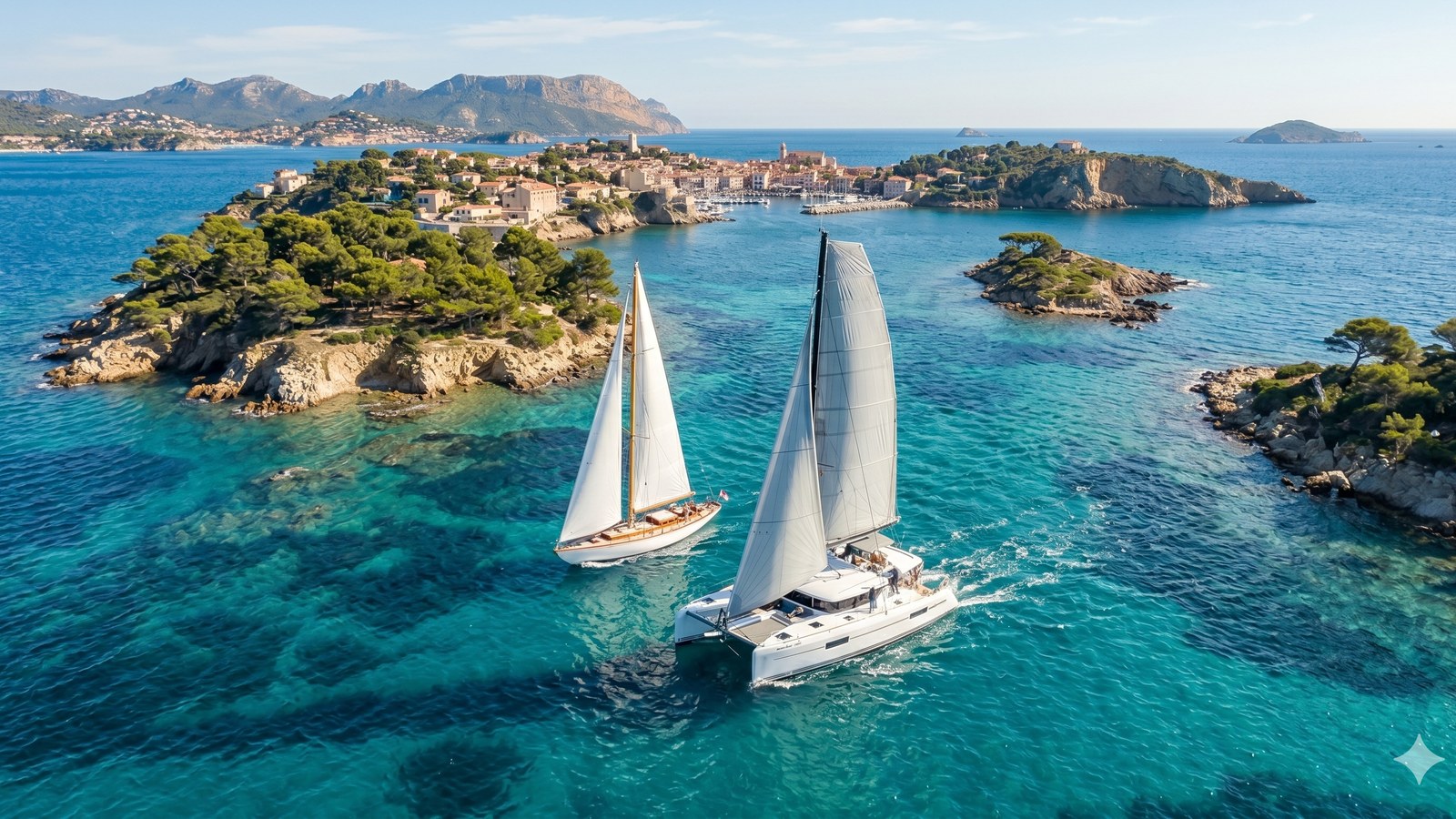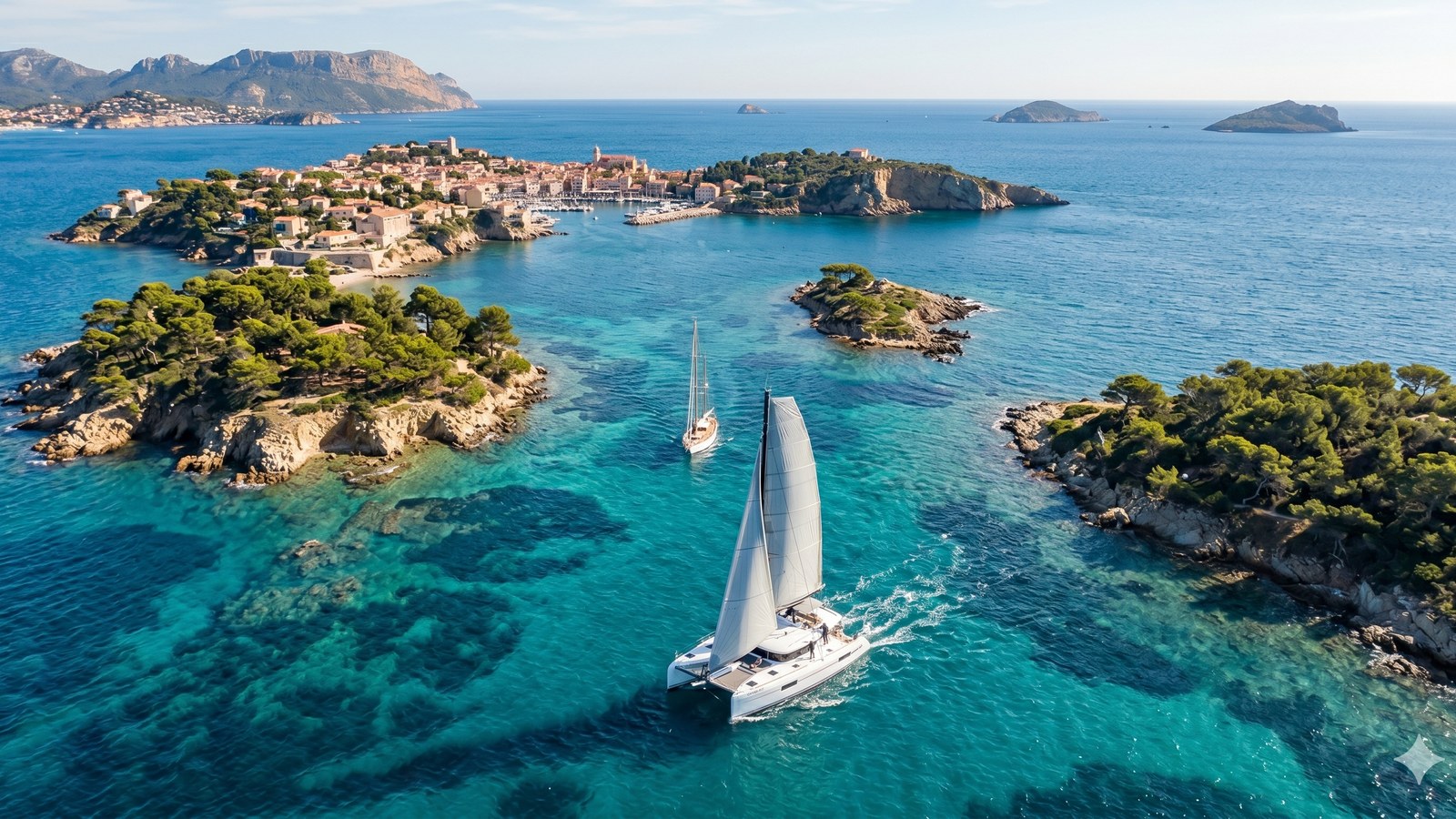
The Maldives is an extraordinary sailing destination — 26 atolls and over 1,000 coral islands spread across the Indian Ocean equator, with whale sharks, manta rays, and some of the clearest water on earth. The government's cruise permit system is manageable once you understand how it works.
The Cruise Permit System
All foreign tourist vessels must obtain a Cruising Permit from the Maldives Ministry of Tourism. The permit can be applied for before arrival or within four days of customs clearance.
Vessels under 20 metres LOA: Free 90-day cruising permit. This covers the vast majority of sailing yachts.
Vessels over 20 metres staying more than 7 days: USD 1,000 permit fee.
Extended permits (up to 365 days): Available for larger vessels with additional requirements.
Insurance Requirements for the Permit
The Ministry of Tourism requires proof of two types of insurance for the cruise permit application:
1. Hull and Machinery Insurance: Standard vessel insurance covering physical damage 2. Salvage and Environmental Damage Insurance: Coverage for the cost of vessel salvage and any environmental damage — this is where standard policies sometimes fall short
The Maldivian government takes reef protection extremely seriously. Grounding on a reef — even without major vessel damage — can trigger environmental damage assessments and restoration costs running into USD 10,000s per square metre of affected reef. Your policy must be able to respond to these costs.
Entry Procedure
1. Pre-arrival: Arrange your insurance documentation, apply for permit if arriving with a vessel over 20m 2. Port of Entry: Clear customs and immigration at a designated port (Malé, Addu Atoll, or a recognised point of entry) 3. Within 4 days: Submit cruise permit application to Ministry of Tourism if not done before arrival 4. Receive permit: Specifies approved areas for cruising
Where to Sail
Your cruising permit specifies approved areas. The key distinctions:
Tourist Zones: Around the resort islands — visiting is permitted, anchoring may be restricted Uninhabited Islands: Many are approved for anchoring and visiting Inhabited Local Islands: Respectful visits are generally welcome — dress codes apply in island communities Restricted Areas: Some islands and military zones are completely off-limits
Baa Atoll UNESCO Biosphere Reserve requires special attention — Hanifaru Bay, where the famous manta ray aggregations occur, has strict visitor protocols including no SCUBA diving, only snorkelling, and maximum visitor numbers per session.
Timing Your Visit
The northeast monsoon (November-April) brings the best sailing conditions: clear skies, calm seas, good visibility for diving. The southwest monsoon (May-October) is rougher and rainier but still popular with experienced sailors who prefer fewer visitors.
The Maldives sits at the equator — it doesn't experience the typhoon or cyclone systems that affect Thailand and the Philippines. Wind-related insurance risk is lower, but the coral reef risk profile is higher — calm conditions make it easy to anchor in places you shouldn't.