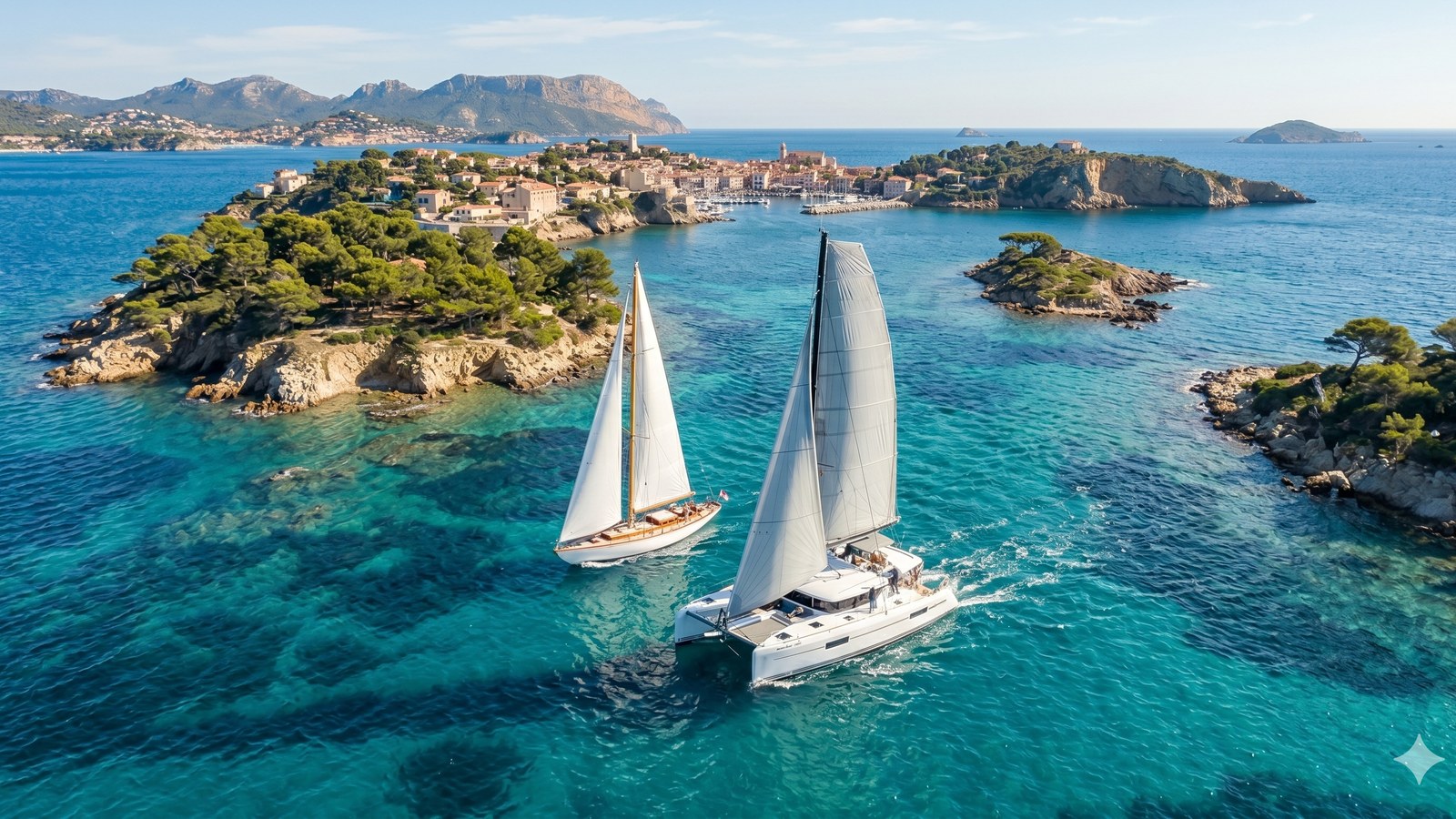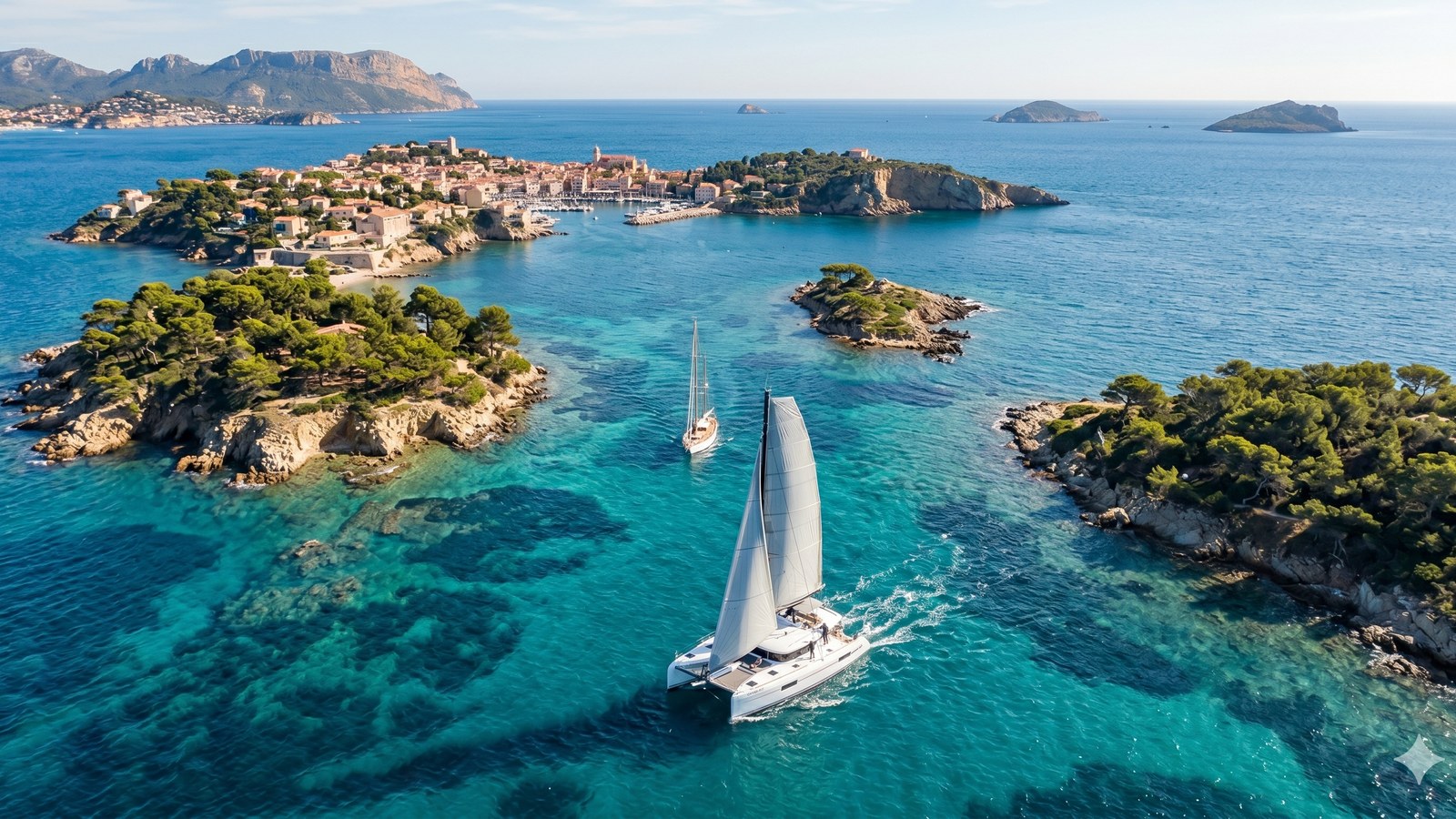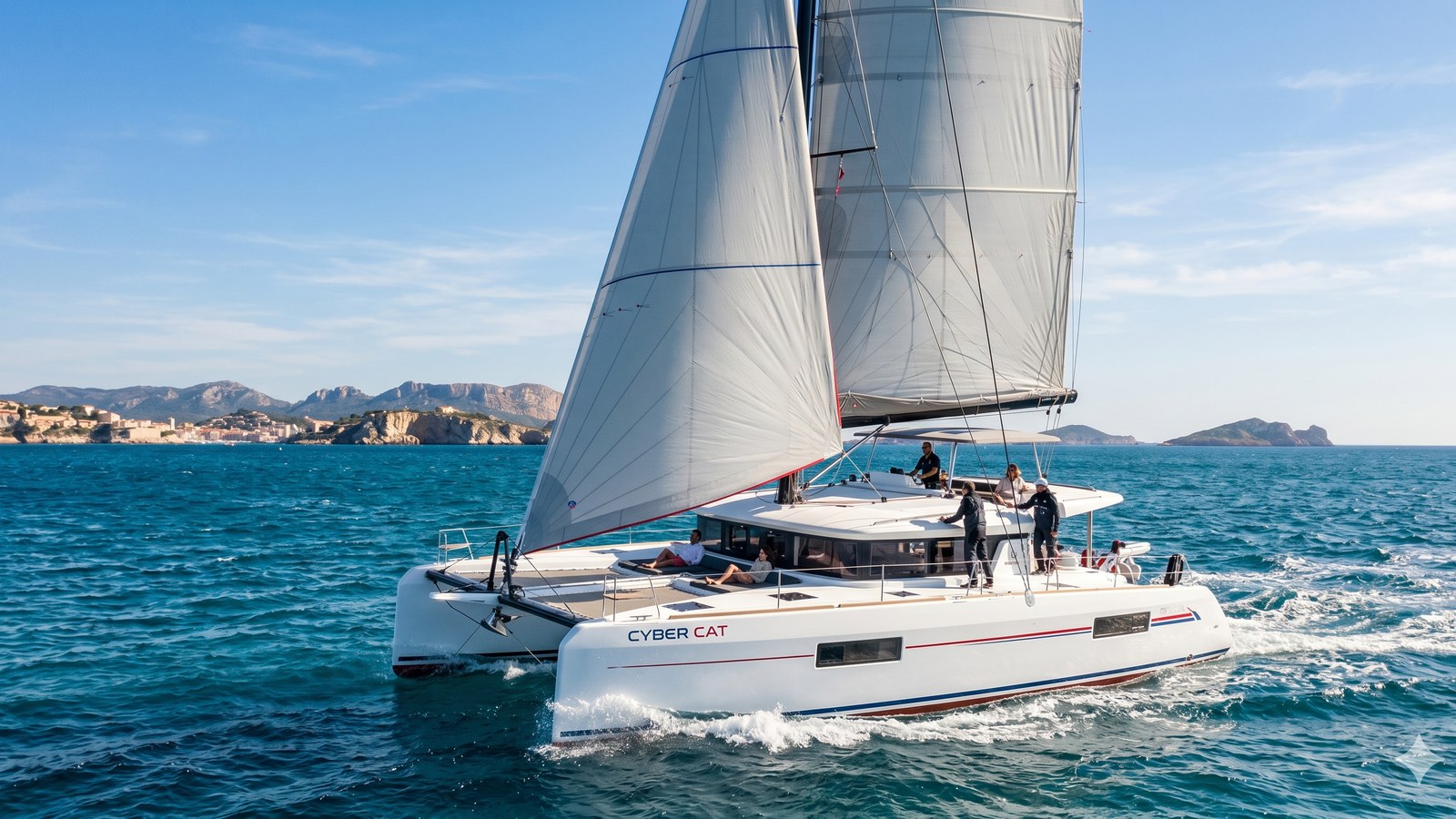
Vietnam's sailing credentials are exceptional. Ha Long Bay — 1,600 limestone islands in a UNESCO World Heritage bay on the country's northeast coast — is one of the most photographed marine environments in Asia. The central coast around Nha Trang offers crystal anchorages, good provisioning, and a relaxed sailing atmosphere. Da Nang on the central coast has developed rapidly as a marina hub. And Ho Chi Minh City's river approaches, while not classical sailing territory, mark the southern gateway to the country for yachts arriving from the south.
Vietnam is also, frankly, one of the more complex countries for foreign private yacht owners to navigate. The regulatory framework for foreign recreational vessels has evolved significantly in recent years, but it remains more demanding than Thailand or Malaysia. Getting the right information — and the right insurance — before you arrive is essential.
Ha Long Bay: The Iconic Destination
Ha Long Bay in Quang Ninh Province requires special treatment. The UNESCO World Heritage site receives around 3 million tourists per year via cruise vessel — enormous junk-boat day-trips from Ha Long City, tourist ferries, and overnight cruises running continuously through the bay. This is not typical yacht cruising territory.
Foreign private yachts wishing to sail Ha Long Bay must obtain clearance from the Vietnam Maritime Administration (VINAMARINE) and the Quang Ninh Province tourism authorities. Access to Ha Long Bay's protected areas is restricted — anchoring is prohibited in most of the bay, and movement is constrained to designated channels. The authorities enforce these rules. Attempting to sail independently through Ha Long Bay without proper clearance is not a viable strategy.
The most practical approach for foreign yachts is to work through a Vietnamese yacht agent — several are now operating, primarily from Hanoi — who can manage VINAMARINE clearance, coordinate with local authorities, and arrange permitted anchorage points in the outer bay areas. The experience is different from free-sailing in Thailand or Malaysia, but the scenery is extraordinary enough to justify the administrative effort.
Vietnam Entry Clearance for Foreign Private Yachts
Vietnam entry requires clearance from multiple authorities at each port of call. The clearance process involves:
Border Guard (Bộ đội Biên phòng): The primary authority for foreign vessel entry. All crew passports must be presented and stamped.
Customs (Hải quan): Vessel documentation, inventory declaration, and crew equipment list.
Vietnam Maritime Administration (VINAMARINE): Navigation permit for Vietnamese territorial waters.
Port Authority (Cảng vụ Hàng hải): Port clearance at each port, and departure clearance before leaving.
This four-authority process applies at every port of call, not just the first port of entry. Vessels must check in and check out at each stop. Your port agent manages most of this paperwork — choosing an experienced agent is critical.
Designated ports of entry for foreign yachts include: Quang Ninh (Ha Long Bay area), Da Nang, Nha Trang/Cam Ranh, and Ho Chi Minh City/Vung Tau. Entry through non-designated ports is not permitted.
Nha Trang: Vietnam's Yachting Hub
Nha Trang on the south-central coast is the most yacht-friendly destination in Vietnam. The anchorage behind the offshore islands provides reasonable shelter, and the city's tourism infrastructure — fuel, provisioning, restaurants, accommodation for crew changes — is excellent.
The Mia Nha Trang marina area is the best base in the city. Nha Trang Sailing Club, located at the Sailing Club Nha Trang, is a gathering point for the small resident foreign sailing community and visiting yachts. Several Vietnamese charter companies operate from Nha Trang, and the expertise in managing the clearance paperwork for foreign visiting yachts is better developed here than anywhere else in the country.
Day-sailing from Nha Trang reaches Hon Tre (Bamboo Island), Hon Mun Marine Park (excellent diving, restricted anchoring), and the outer islands of the Van Phong Bay complex to the north.
Da Nang: The Emerging Marina Scene
Da Nang has developed rapidly as Vietnam's third city and is increasingly significant for sailing. The Han River marina is used by tour boats and has limited yacht facilities, but the offshore area around the Cham Islands (Cu Lao Cham Marine Park) is a growing destination.
The Cham Islands UNESCO Biosphere Reserve — 19 kilometres offshore from Da Nang — has limited anchoring but excellent diving and snorkelling within the marine park boundaries. Marine park entry permits are required, obtained through Da Nang tourism operators.
The growing infrastructure around Da Nang's coast, including the Non-Nuoc beach area and the developing Lien Chieu port zone, suggests that proper marina facilities are likely within the next few years. Da Nang is worth monitoring as a yacht base.
Typhoon Risk: Vietnam's Critical Insurance Factor
Vietnam's central coast is one of the most typhoon-exposed coastlines in Asia. Typhoons track across the South China Sea from the Philippine Sea and make landfall along the Vietnamese coast, particularly between Da Nang and Nha Trang, between August and October. Typhoon Mirinae (2020), Typhoon Molave (2020), and numerous other named systems in this corridor caused severe damage to coastal infrastructure in recent years.
For sailing yachts in Vietnam:
Named Storm cover is essential for any vessel remaining in Vietnamese waters between June and November. The South China Sea typhoon corridor directly affects the central coast — the same stretch where the most attractive sailing destinations are located.
Navigation windows: The safest window for sailing central Vietnam is November to April, when the northeast monsoon brings dry conditions and the typhoon frequency drops substantially. The southwest monsoon (May to October) brings rough South China Sea conditions on the central and northern coasts, though Nha Trang's geography gives it some shelter.
Storm plan: All vessels in Vietnamese waters during typhoon season need a defined storm plan — the nearest port with suitable shelter, the procedure for hauling or securing the vessel, and crew evacuation plans. Some Vietnamese ports have designated typhoon berths.
Insurance for Vietnam
Your insurance policy must explicitly cover Vietnamese territorial waters. Verify:
VINAMARINE requires a current insurance certificate as part of the navigation permit documentation. The certificate should show the vessel name, hull insured value, third-party liability limit, and policy period.
Third-party liability: USD 300,000 minimum; USD 500,000 recommended.
Named Storm: Essential for sailing June to November; strongly recommended year-round for central Vietnam.
Medical evacuation: Medical facilities vary significantly — Hanoi and Ho Chi Minh City have international hospital capacity; central Vietnam is more limited. Evacuation cover to Singapore or Bangkok is important for extended cruising.
International blue-water policies from Lloyd's markets typically cover Vietnam explicitly. Thai-market policies rarely extend to Vietnamese waters. Confirm your coverage before planning a Vietnam passage from Phuket or Langkawi.