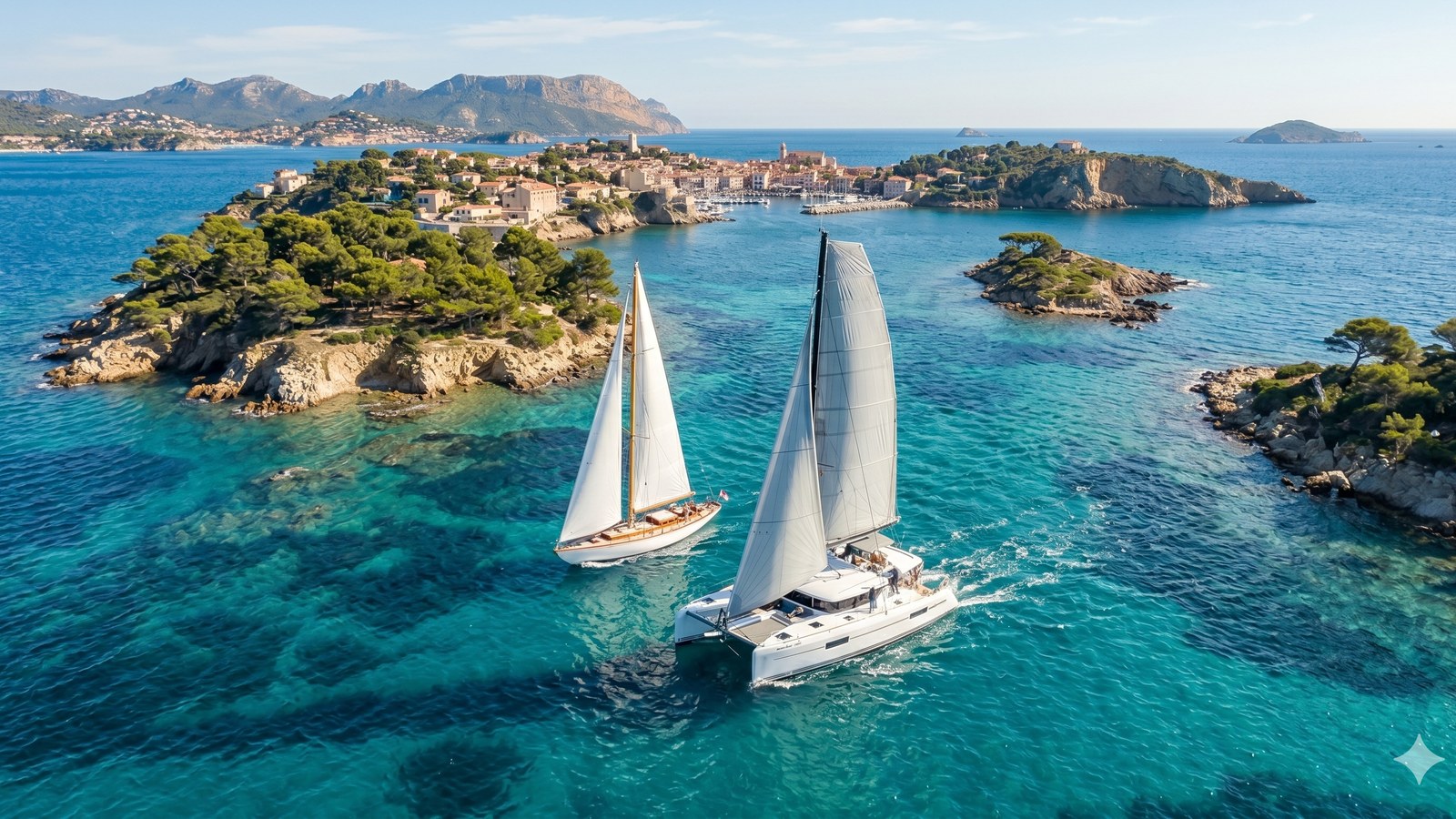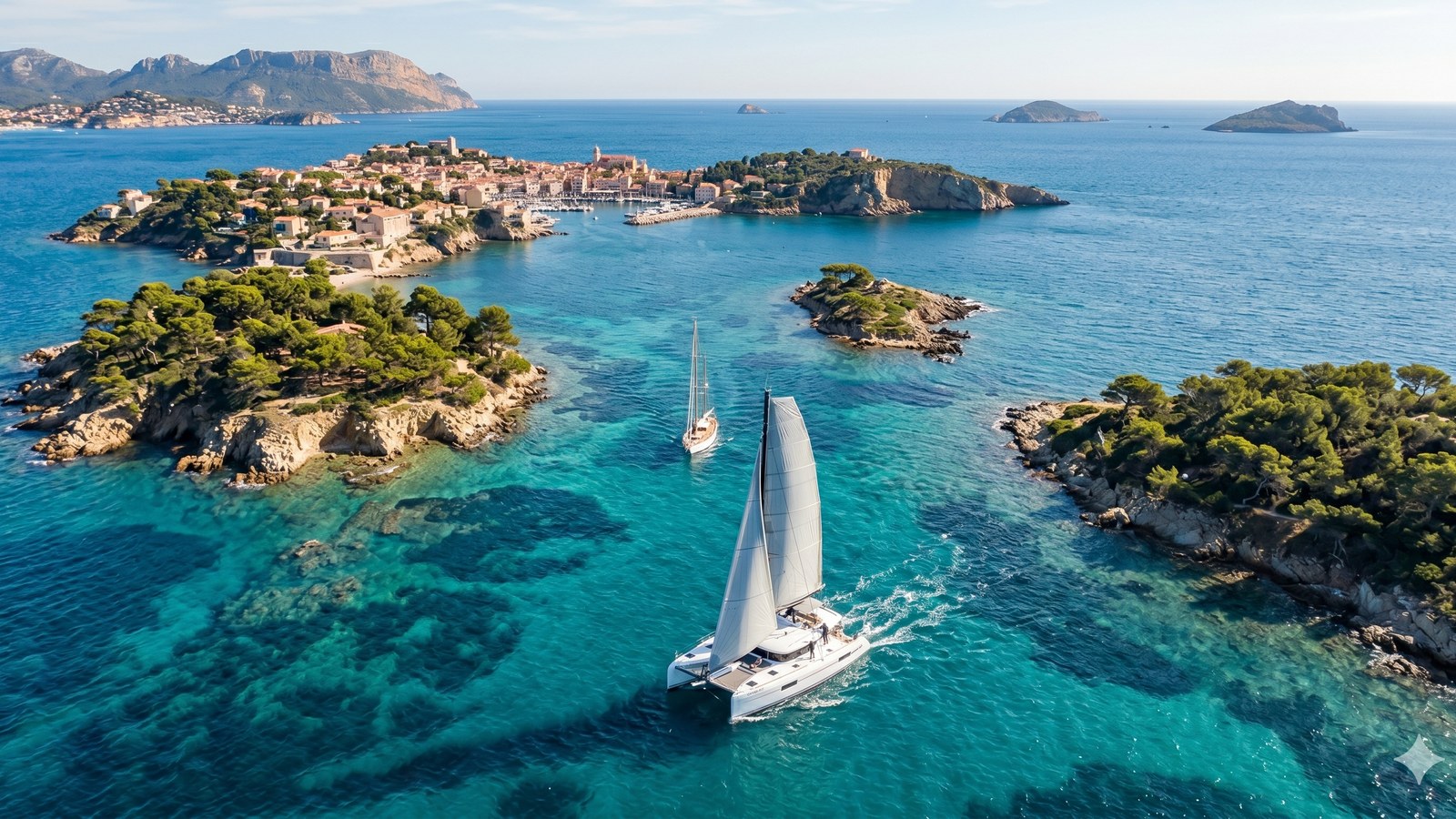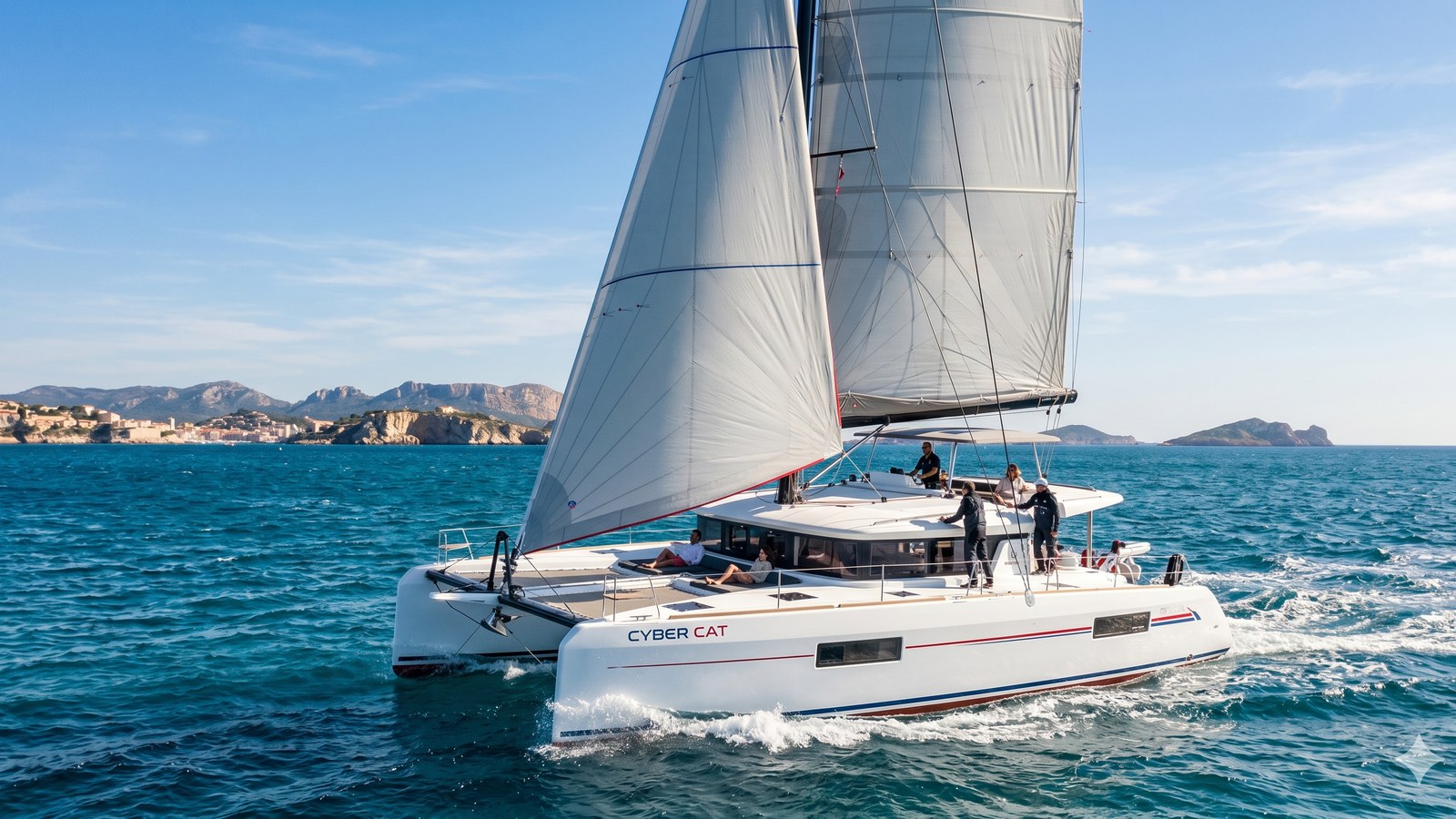
Galle sits at the southwestern tip of Sri Lanka, where the Indian Ocean meets the Bay of Bengal shipping lane. The Dutch built their fort here in the 1600s, and its thick stone walls — still intact today, circling the old town — frame one of the Indian Ocean's most characterful sailing stopovers. For blue-water sailors on the classic Indian Ocean circuit, Galle is an almost obligatory call: positioned perfectly between the Maldives and Thailand, or between India and the Cocos-Keeling Islands passage south toward Australia.
The sailing community that gathers here, particularly between December and April, gives Galle a convivial character that goes beyond the obvious tourist attractions. The Fort's streets, cafes, and chandleries know the needs of a visiting yacht.
The Port of Galle and SLPA Entry
Galle Harbour is administered by the Sri Lanka Ports Authority (SLPA). All foreign vessels arriving in Sri Lanka must clear customs, immigration, and port health at Galle. There is no other practical port of entry for foreign yachts on the south coast — Colombo is technically an option but is a busy commercial port with limited yacht facilities, and the formalities there are more complex.
Entry procedure: Contact Galle Harbour Control on VHF Channel 16 when approximately 20 nautical miles out. The harbourmaster will direct you to the anchorage area. Do not go ashore until customs and immigration have cleared the vessel.
Q flag: Fly the yellow quarantine flag on approach and until clearance is complete.
Documents required for clearance: - Passports for all crew (valid at least 6 months beyond planned departure) - Ship's papers: certificate of registration, tonnage certificate, deratting certificate - Crew list (multiple copies) - Last port clearance - Insurance certificate — required by SLPA
Fees: Port fees, customs fees, and health fees apply. The amounts are modest but change periodically — your port agent (optional in Sri Lanka but helpful) can advise current charges.
SLPA insurance requirement: The Sri Lanka Ports Authority requires evidence of valid hull and third-party liability insurance before issuing port clearance. The certificate must be in English and show the vessel name, liability limit, and current policy period. Minimum acceptable liability: USD 100,000, though USD 300,000 or more is recommended by most advisors.
The Galle Anchorage and Yacht Club
The Galle anchorage is in the outer harbour, protected by the breakwater but exposed to the southwest swell that arrives during the southwest monsoon (May to October). The northeast monsoon season — December to March — provides the most settled conditions, with the anchorage sheltered and calm.
The Galle Yacht Club (GYC), located within the Fort walls, is the centre of the sailing community. The GYC is informal — a gathering point rather than a full marina facility — but the community knowledge here is invaluable. Long-term GYC members know every repair workshop, provisioning supplier, and customs agent in the city.
For vessels needing deeper maintenance, the Colombo Dockyard — two to three hours' sailing north along the coast — provides haul-out and engineering services. The Galle harbour itself has limited haul-out capacity.
Cruising the South Coast
Beyond the Galle anchorage, Sri Lanka's south coast offers:
Mirissa: 25 kilometres east of Galle. A small harbour used by blue-whale watching boats, with a protected anchorage in the northeast monsoon season. The marine environment is exceptional — blue whales are regularly seen off the south coast between December and April.
Tangalle: A fishing harbour 80 kilometres east of Galle. Limited facilities for yachts but a beautiful lagoon anchorage accessible at high tide.
Trincomalee: On the northeast coast, Trincomalee Harbour is one of the finest natural harbours in Asia — deep, sheltered, and with growing marina infrastructure under the Sri Lanka Navy's management. Reaching Trincomalee requires either a coastal passage around the southeastern tip of the island (Dondra Head) or a direct offshore passage if coming from India. The best season for Trincomalee is April to September.
Cyclone Season: Understanding Sri Lanka's Weather
Sri Lanka sits in an unusual weather position. The island is affected by two separate monsoon systems, and cyclone risk comes from two different directions in two different seasons:
Northeast monsoon (November to January): Brings dry, settled weather to the south and west coasts — the best sailing season for Galle. The northeast coast (Trincomalee) is exposed to the northeast swell during this period.
Southwest monsoon (May to September): Brings rough weather to the south and west coasts. Galle anchorage is exposed. Most visiting yachts have left by late April.
Bay of Bengal cyclone season (April to June, October to December): Cyclones forming in the Bay of Bengal can track southwest toward Sri Lanka. The highest-risk period is October to December, when post-monsoon systems form in the Bay. Cyclone Ockhi (2017) was a devastating example — forming rapidly in the southern Bay of Bengal and tracking directly toward Sri Lanka and India's Kerala coast, killing over 800 people.
Named Storm cover is essential for vessels remaining in Sri Lankan waters between October and December. The post-monsoon cyclone season is the highest-risk period and coincides with the changeover from southwest to northeast monsoon — a time when many vessels are arriving in Galle for the season.
Insurance vs Indian Waters
Many vessels calling at Galle are on passages that include both India and Sri Lanka — arriving from Cochin (Kochi) in Kerala, or departing northbound toward Goa. Indian and Sri Lankan insurance requirements differ in detail but share common threads:
- Both require the policy to explicitly name the country in the geographic schedule
- Both require third-party liability cover as a port entry condition
- India requires PANS notification 96 hours before entry; Sri Lanka has no equivalent advance requirement
- India requires a mandatory port agent; Sri Lanka does not, though agents are helpful
A blue-water international policy covering the Indian Ocean, Sri Lanka, and India on a single certificate is the correct solution for vessels making the India-Sri Lanka-Maldives circuit. Lloyd's-backed policies commonly cover all three in a single Indian Ocean region schedule.
Provisioning and Onward Passage
Galle is an excellent provisioning port. Fresh fruit, vegetables, and fish are excellent value from the local market. Diesel is available at the fishermen's fuel dock. Chandlery is limited — major parts and equipment should be sourced before arrival or ordered via Colombo.
From Galle, the classic onward passages are: northeast to India (Cochin 500nm, Goa 650nm), south to the Maldives (350nm to Male atoll), or east along the south coast to Dondra Head and on toward Thailand (1,800nm via the Malacca approach).
Sri Lanka remains one of the most underappreciated sailing destinations in the Indian Ocean. The combination of the Fort, the sailing community, and the extraordinary wildlife above and below water — blue whales, leopards in nearby Yala National Park, nesting sea turtles — makes a Galle stopover rewarding beyond the administrative requirements that come with it.