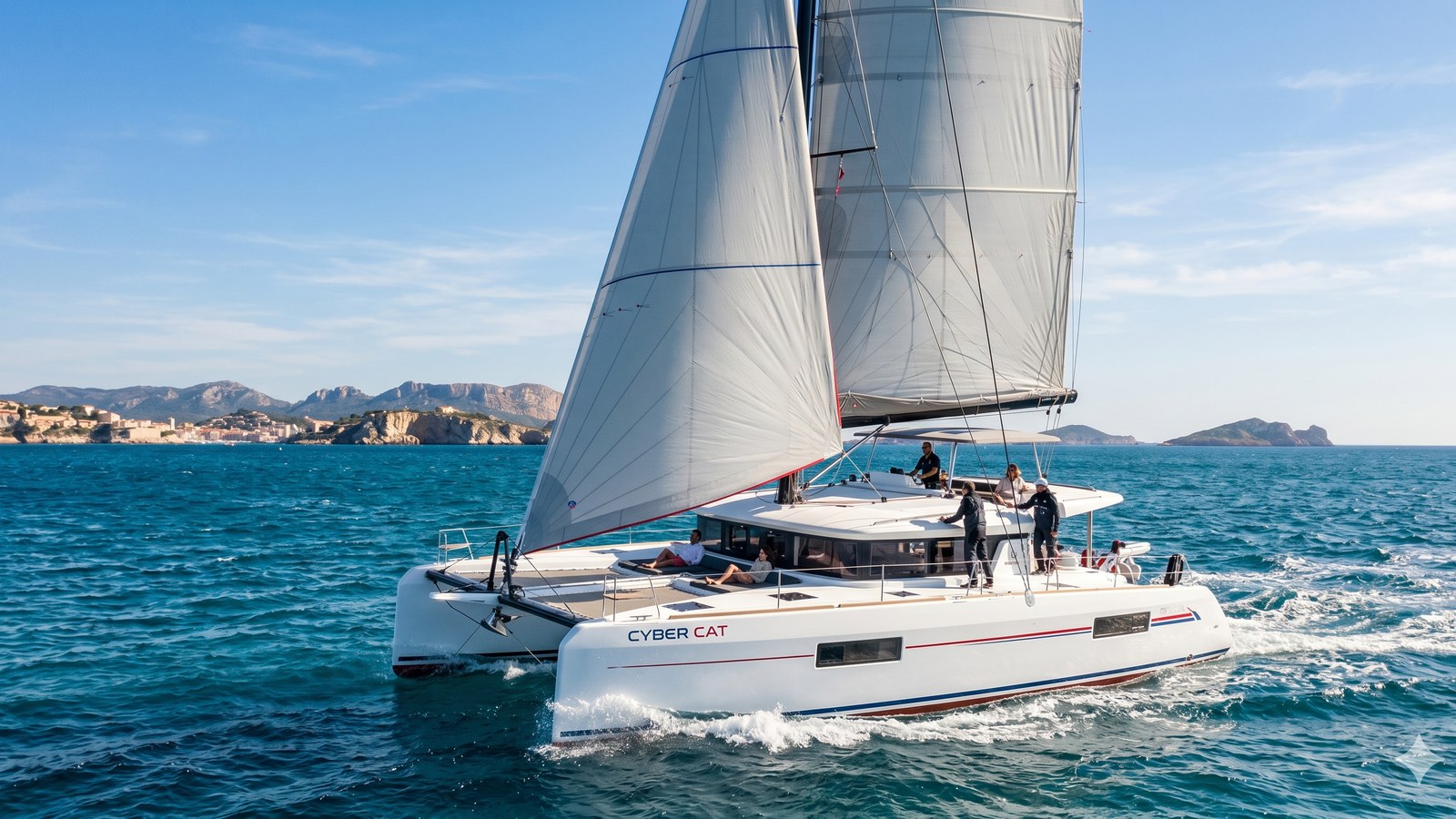
Asia sits at the heart of the world's major blue-water sailing routes. Whether you're coming from the Red Sea and the Indian Ocean, from the Pacific via Japan and the Philippines, or from the South Pacific via Indonesia, Asian waters are part of virtually every circumnavigation and long-distance passage plan.
The Major Routes Through Asia
Red Sea to Southeast Asia: The classic route enters the Indian Ocean from Aden, calls at the Maldives or Sri Lanka, rounds Cape Comorin (India's southern tip), and arrives in Thailand or Malaysia via the Malacca Strait. This passage crosses multiple national EEZs and requires insurance covering all transit countries.
Pacific to Southeast Asia: The northern Pacific route (Japan-Philippines-Indonesia) and the southern route (Micronesia-Palau-Philippines) both terminate in the Philippines or Indonesia before continuing southwest toward Thailand.
Australia to Asia: The passage from Darwin to Indonesia (Bali or Kupang) is the most common departure point for Australian sailors heading north. The Kimberley Coast to Bali route is well-established and covered by most Australian policies with Asian extensions.
Insurance Structuring for Long-Distance Voyages
Agreed Value is Non-Negotiable
For long-distance voyaging, agreed value hull insurance is essential. Market value policies may depreciate your vessel's value significantly over a multi-year voyage, creating a growing gap between your insurance payout and actual replacement cost.
Have your vessel surveyed before departure and agree on an appropriate value with your insurer. Update the value if you've made significant upgrades or improvements.
Geographic Coverage — Map it Before You Depart
Create a list of every country whose EEZ you'll transit or spend time in. Then verify your policy covers each one explicitly. Pay particular attention to:
- Myanmar/Burma: Often excluded or restricted due to political sanctions
- India: Some policies exclude or require advance endorsement for Indian waters
- Vietnam: Not always included in standard Southeast Asia coverage
- China: Generally excluded from most pleasure craft policies
Named Storm Coverage Calendar
Map your planned cruising calendar against the tropical cyclone seasons for each region:
- Philippines typhoon season: June-November
- Bay of Bengal cyclone season: April-June, September-December
- Andaman Sea/Thailand: Southwest monsoon May-October
Plan your itinerary to avoid the highest-risk periods, or ensure Named Storm coverage for all regions in your cruising plan.
The Wreck Removal Chain
For a world voyage through Asia, you'll need wreck removal coverage explicitly acknowledged for each country where it's a permit requirement. Indonesia (CAIT), Maldives (cruise permit), and potentially others require wreck removal documentation. Keep your insurance certificate easily accessible and ensure it explicitly states wreck removal coverage.
Single-Policy vs. Regional Policies
Some circumnavigators prefer a single worldwide policy that covers all destinations. Others prefer to structure regional policies that are optimised for each major cruising area. The single-policy approach is administratively simpler. The regional approach can reduce premium by using specialist underwriters for specific high-risk areas.
For Asia specifically, specialist yacht insurers like Pantaenius (with worldwide coverage), Lloyd's syndicates, and specialist Asian marine markets can all provide appropriate coverage. The key is ensuring seamless coverage with no gaps at geographic boundaries.
Claims Support in Asia
Assess your insurer's claims support capability in Asia before you commit to a policy. Key questions:
- Does the insurer have a claims contact in Asia, or does everything route through a distant head office?
- Can they post security bonds to release a detained vessel in an Asian jurisdiction?
- Do they have relationships with Asian surveyors and repair facilities?
- Is the 24/7 emergency line truly staffed, or does it go to voicemail?
We work with insurers who have demonstrated claims capability in Asian waters. Our network includes assessors in Thailand, Malaysia, Indonesia, and Singapore with experience in marine claims ranging from minor collision damage to major groundings in remote locations.