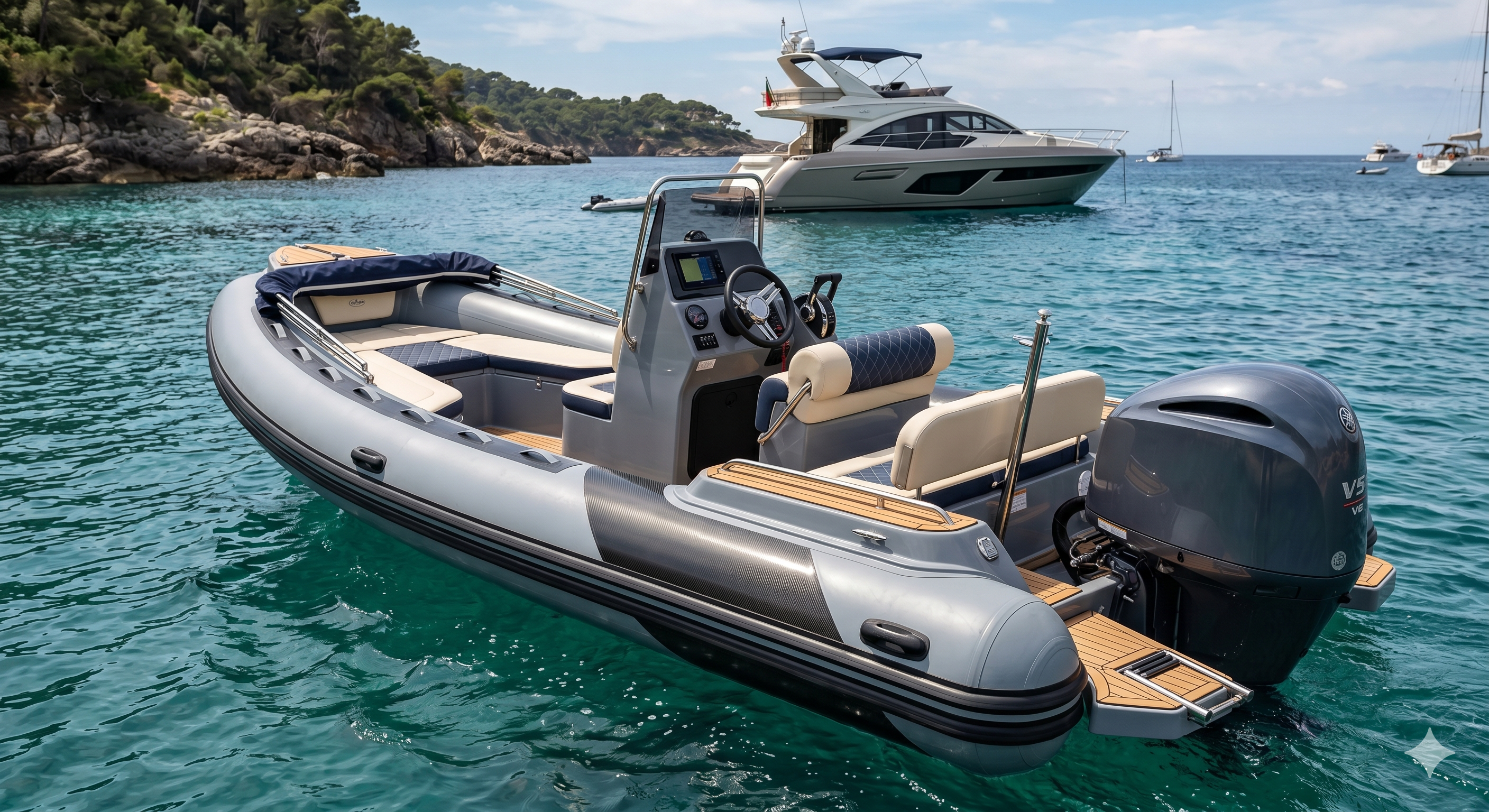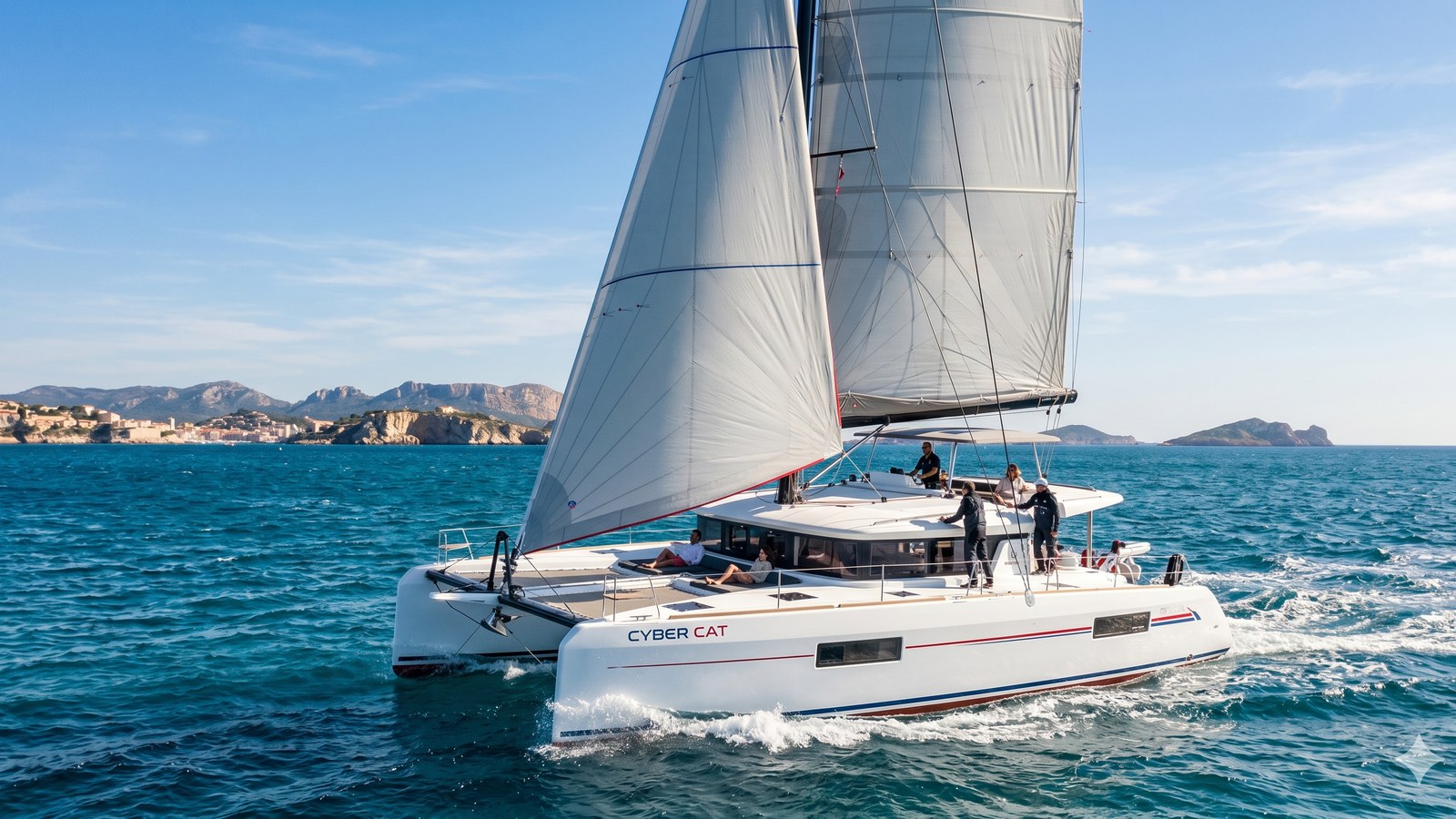
The King's Cup Regatta is the oldest and most prestigious offshore yacht race in Southeast Asia. Established in 1987 in honour of the late King Bhumibol Adulyadej, the regatta draws 100 or more yacht entries from across the Asia-Pacific region every year, racing over five days off the dramatic backdrop of Phuket Bay. For 2026, the King's Cup runs in late November from Ao Chalong Bay — the same week that transforms Phuket into the sailing capital of Asia.
Getting your racing insurance right before registration closes is as important as having the right sails.
What Racing Insurance the King's Cup Requires
The King's Cup Notice of Race specifies that all entries must carry valid third-party liability insurance of at least USD 300,000 in force throughout the racing period. The certificate submitted to the race committee at registration must:
- Clearly name the vessel and its registration number
- Show the liability limit — not less than USD 300,000
- Be current for all five racing days
- Be signed and stamped by the insurer or authorised broker
The USD 300,000 minimum is a floor, not a recommendation. A collision in a crowded start sequence — 100 boats, full sail, fighting for line position — can generate liability claims well above this threshold if a struck vessel suffers structural damage. USD 500,000 or more is a more prudent minimum for monohulls over 40 feet. For multihulls, where collision energy is compounded by beam width and speed, USD 1,000,000 is not excessive.
Why Your Standard Policy Doesn't Cover You
Standard recreational hull and liability policies contain a racing exclusion — a clause that specifically removes all coverage for damage and liability arising during competitive racing events. This is a deliberate underwriting decision. Racing concentrates risk: tight start lines, tactical mark roundings, and windward-leeward legs in 15–25 knots create collision scenarios that simply don't arise in normal cruising. Underwriters price this risk separately.
A racing endorsement adds the coverage back. It comes in two forms:
Per-event endorsements: Cover a single named regatta, the King's Cup in this case. More economical for owners who race once or twice annually.
Annual racing extensions: Cover all racing throughout the policy year — offshore races, round-the-cans club events, and anything in between. The better choice for owners who regularly compete.
Both must be confirmed in writing before the race starts — not applied for after a collision. Allow at least four to six weeks for your insurer to issue the endorsement and certificate.
Hull Cover During Racing: Read the Small Print
Third-party liability for racing is the minimum required by the Notice of Race. But what about damage to your own vessel?
Many racing endorsements extend liability coverage while leaving the hull exclusion intact. If you are struck by another yacht during a start — or suffer a knockdown that cracks a spreader — your hull damage may not be covered unless the endorsement explicitly adds hull racing cover.
Read the endorsement wording before assuming you are protected: - Does it extend third-party liability only, or does it also add hull cover during racing? - Are there speed limits, class restrictions, or geographic limits on the endorsement? - Does it cover delivery passages to and from the event, or racing days only? - What is the hull excess applied to racing damage specifically?
Resolving these questions before race week, not after, is essential.
Safety Equipment: What Race Inspectors Check
King's Cup safety inspections are conducted before racing begins. Inspectors check against the NoR minimum equipment list. Common failures that delay or prevent race entry:
EPIRBs: Must be 406 MHz, registered to the vessel, and within battery and hydrostatic release service dates. An EPIRB expired by even a month will fail inspection.
Life raft: Adequate capacity for all crew, within annual or biannual service date. Some race committees require a recent service certificate from an approved service station.
Flares: SOLAS-compliant, within expiry. Carrying expired flares is one of the most common inspection failures.
Personal flotation devices: Category A or equivalent for offshore sailing, not simple buoyancy aids.
VHF radio: Fixed mount, not just handheld.
Insurance underwriters view poor safety equipment as a risk indicator. An insurer endorsing racing cover for a vessel with expired flares and an unserviced life raft would be doing neither themselves nor the yacht owner any favours. Get the equipment sorted at least a month before race week.
Named Storm: Late November Is Not Risk-Free
The King's Cup in late November sits at the nominal tail end of Thailand's cyclone-risk window. The southwest monsoon has retreated, the northeast monsoon is establishing, and Phuket's Andaman Sea is typically at its most settled. The assumption that "typhoon season is over by November" is broadly correct — but not absolutely so.
Typhoon Phabuk made landfall across Thailand's Gulf and lower Andaman coast in January 2019 — the first tropical cyclone to directly strike Thailand in three decades. Late-season Bay of Bengal cyclones have affected the Andaman Islands and Nicobar chain in November and December. A named system doesn't observe a calendar.
Named Storm endorsement for vessels in Thai waters during race season is recommended. The premium addition is modest relative to the hull value exposed if a named event occurs. Confirm the Named Storm position on your policy explicitly — don't assume late-season means no exposure.
Marinas and Logistics During Race Week
Phuket fills during the King's Cup. Marina berths for race week should be reserved months in advance:
Ao Chalong: Traditional racing hub, within sight of the course. Anchorage is free but exposed to southwest swell; all-weather moorings are available through local operators. No formal marina facilities.
Royal Phuket Marina: Full marina services within 10 minutes of the racing area. The King's Cup operations centre is located nearby. Preferred base for larger racing yachts. Berths fill by August.
Yacht Haven Grand Marina: Ao Po, northeast Phuket. Excellent facilities for larger vessels. Slightly further from Ao Chalong but a high-quality base.
How to Arrange Cover in Time
Contact your insurance advisor at least six weeks before the King's Cup registration deadline. In practice, the earlier the better — underwriters may request a vessel survey, skipper qualifications, or additional information before issuing the endorsement.
You will need to provide: vessel details (name, flag, LOA, year, material), current base hull policy details, the specific race name and dates, all crew names and qualifications, and your intended racing class.
We arrange racing endorsements for the King's Cup, Phuket Raceweek, and the Langkawi International Royal Regatta regularly. Get in touch with your vessel details and we'll confirm cover and provide the certificate in the format required by the King's Cup race committee.