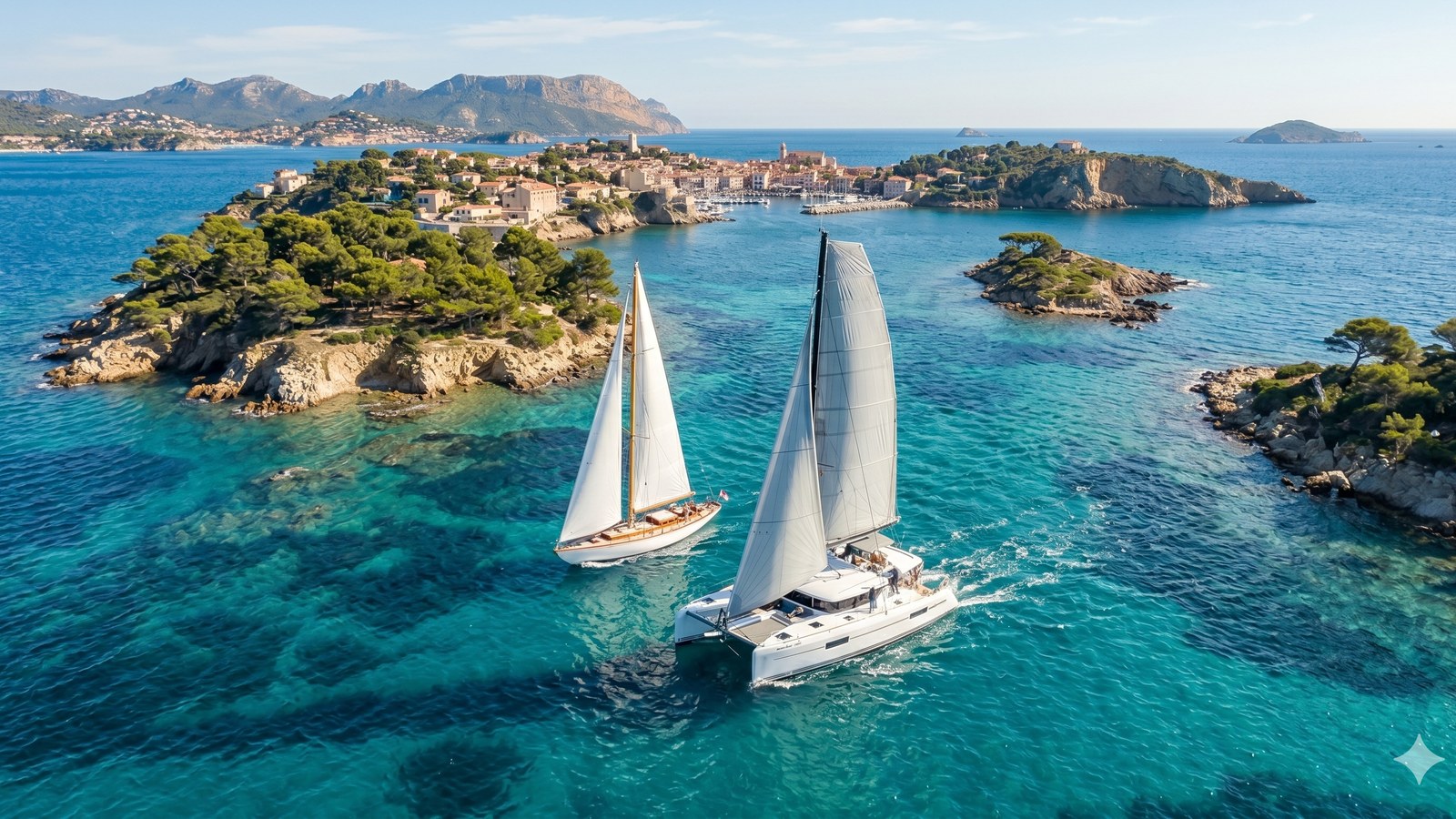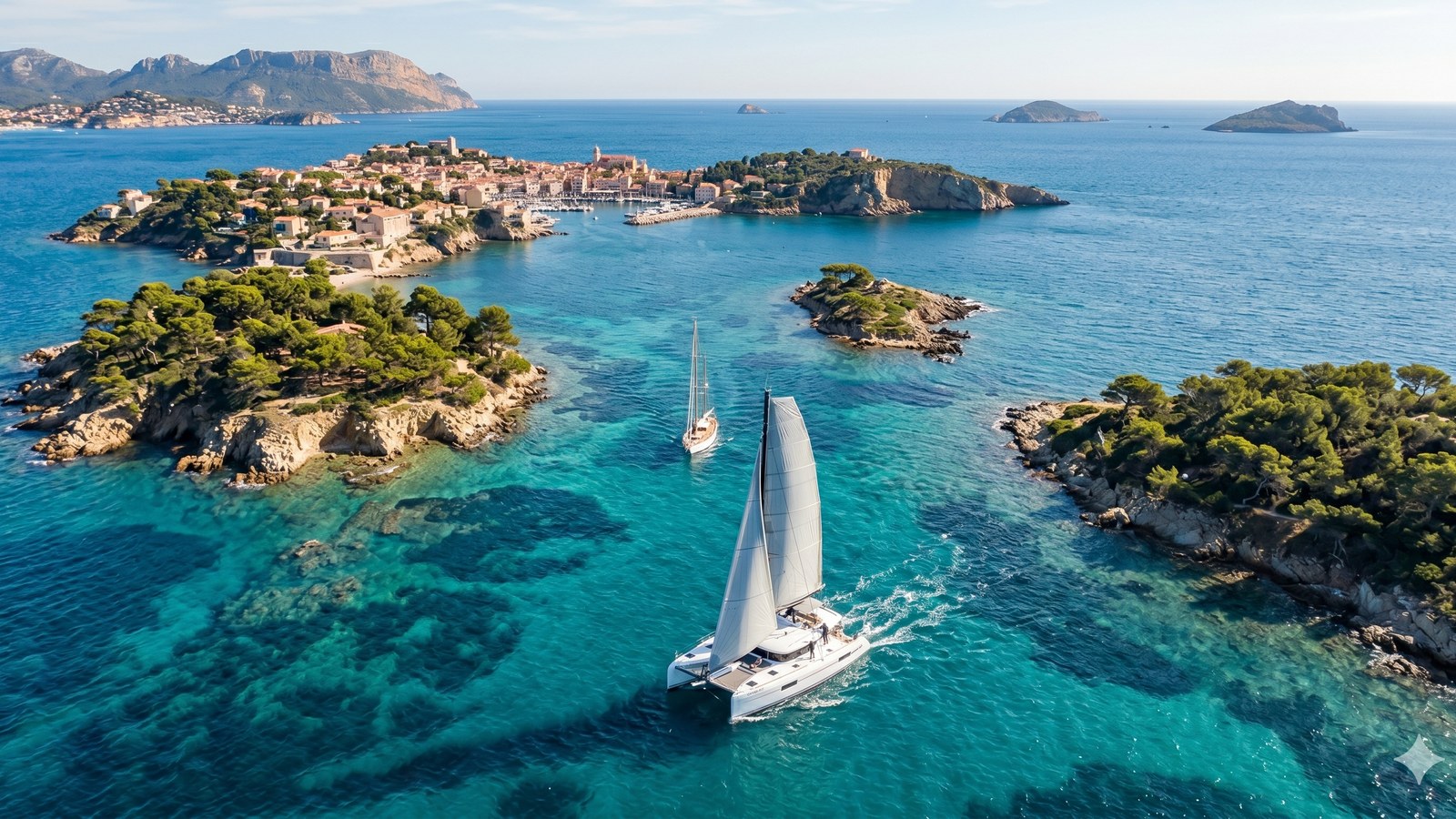
Bali is a charter operator's paradise — extraordinary scenery, warm year-round sailing conditions, proximity to Lombok, Komodo, and the Flores islands, and an international tourist market that creates consistent demand for yacht experiences. But running a charter operation from Bali as a foreign-flagged vessel involves navigating one of Southeast Asia's more complex regulatory environments. The CAIT permit system, Indonesia's MARINE commercial vessel regulations, and DKP (Ministry of Maritime Affairs and Fisheries) requirements all interact in ways that directly affect what insurance you need and how it must be structured.
This guide is for charter operators specifically — private yacht owners with CAIT permits are covered in our existing CAIT insurance guide.
CAIT for Charter Vessels vs Private Yachts
The CAIT (Clearance Approval for Indonesian Territory) covers all foreign-flagged private pleasure vessels entering Indonesian waters. The standard CAIT is designed for private yachts on cruising visits — it is not a commercial operating licence.
Foreign-flagged vessels wishing to carry paying passengers in Indonesian waters face a fundamental legal constraint: Indonesian maritime law generally restricts commercial cabotage — the transport of passengers between Indonesian ports — to Indonesian-flagged vessels. This means a foreign-flagged charter yacht cannot legally take paying passengers on point-to-point charters between Indonesian ports (Bali to Komodo, for example) in the same way that an Indonesian-flagged charter vessel can.
In practice, the charter industry has developed several models that work within this framework:
Day trips from a fixed location: A foreign-flagged yacht operating day charters from a single port (returning to the same port each day) is often treated differently from multi-day port-to-port charters. Many Bali-based foreign charter operators work under this model.
Indonesian charter company arrangement: Some foreign operators register their commercial activity through an Indonesian chartered company (PT PMA structure), which changes the legal entity making the charter contract while maintaining the foreign-flagged vessel.
Indonesian-flagged vessel conversion: Some long-term operators re-flag their vessel under the Indonesian flag, giving them full commercial operating rights but subjecting them to Indonesian maritime law for vessel standards.
The implications of each model for insurance are significant. Your insurance broker must understand which structure your operation uses to structure the correct commercial policy.
DKP Vessel Inspections and Certification
The Ministry of Maritime Affairs and Fisheries (Kementerian Kelautan dan Perikanan, or KKP — formerly DKP) regulates fishing and commercial maritime activities, and its inspection regime overlaps with the Directorate General of Sea Transportation (HUBLA) under the Ministry of Transportation.
For vessels operating commercially in Indonesian waters, a HUBLA seaworthiness certificate (Surat Persetujuan Berlayar) is required before departure from any port. Port Harbour Masters (KSOP or Syahbandar) issue these clearances after checking:
- Valid CAIT or Indonesian commercial permit
- Vessel seaworthiness documentation (hull survey certificate)
- Life-saving appliances (life rafts, fire extinguishers, PFDs, flares)
- Fire detection and suppression systems
- Safety Management System compliance for larger vessels
- Insurance documentation
The insurance certificate is inspected at this stage. It must show the vessel name, the commercial nature of the coverage, and adequate liability limits. A recreational yacht policy will not satisfy a Syahbandar inspection for a vessel operating commercially.
Insurance Requirements for Commercial Charter
Standard recreational yacht policies — the CAIT yacht insurance most private vessel owners carry — contain commercial use exclusions that void coverage when paying passengers are carried. This exclusion is absolute and applies from the moment money changes hands.
A commercial charter policy for Indonesian operations must cover:
Passenger liability: Indonesian maritime law requires passenger liability cover for all commercial vessels carrying passengers. Minimum limits under Indonesian law are lower than international best practice — most advisors recommend USD 1,000,000 per occurrence, with USD 2,000,000–5,000,000 appropriate for larger vessels operating multi-day trips.
Commercial hull and machinery: Rated for commercial use intensity. A vessel conducting daily charters accumulates usage much faster than a private yacht — underwriters adjust the hull rate accordingly. Agreed value is essential.
Loss of Hire: Charter revenue is your operating income. A vessel off charter for three weeks while a rudder repair is conducted in Benoa Harbour loses substantial income. Loss of Hire cover pays a daily benefit during insured repair downtime.
Crew employer's liability: Professional crew are employees. Any injury to a deckhand or dive master while working creates employer liability — separate from passenger liability. This must be covered explicitly.
Environmental liability: The Komodo archipelago and Flores Sea are among the world's most ecologically sensitive areas. Fuel spills, anchor damage to coral, or grounding in the marine park can generate significant environmental restoration claims. Some Indonesian commercial vessel policies include environmental liability; others require it as a separate endorsement.
Liability Limits: What Indonesian Authorities Accept
Syahbandar officers at Benoa Harbour, Labuan Bajo, and the Komodo National Park ranger stations are increasingly examining insurance certificates closely. Common issues that cause delay or non-clearance:
- Recreational policy certificates presented for commercial vessels
- Liability limits below what HUBLA inspection standards require
- Certificates not showing the vessel's Indonesian CAIT permit number or local agent details
- Certificates not showing the commercial nature of coverage explicitly
Ensure your insurance certificate is formatted to show commercial coverage explicitly, and carry translated copies if your policy is in English only — port officers in smaller ports may not read English fluently.
Named Storm for Bali-Based Charter Operations
Bali and the Lesser Sunda Islands are south of the main typhoon belt, but the Indian Ocean weather pattern creates its own storm risks. The northwest monsoon (November to March) brings the highest rainfall and some of the strongest wind events to Bali. In practice, the sailing season around Bali for charter operations runs year-round — the Lombok Strait provides shelter from the prevailing swell in most conditions — but the insurance implications differ by season.
Named Storm endorsement for Bali-based vessels is recommended, particularly for vessels conducting charters in the Banda Sea and the outer Maluku Islands where weather systems can be more severe. Confirm the Named Storm position on your commercial policy before committing to a year-round charter schedule.
Getting the Right Commercial Policy
Commercial charter yacht insurance for Indonesian operations is a specialist placement. Not all Lloyd's syndicates or international marine underwriters have Indonesian commercial market experience, and the documentation requirements for Syahbandar clearance are specific.
Work with a broker who has arranged Indonesian commercial marine placements before. The combination of CAIT documentation, passenger liability requirements, and DKP inspection formats requires specialist knowledge that generalist insurance brokers typically don't have.
Contact us with your vessel details, charter operation model, and Indonesian operating area. We arrange commercial charter policies for Bali-based operations with the documentation formats accepted by Indonesian port authorities.